
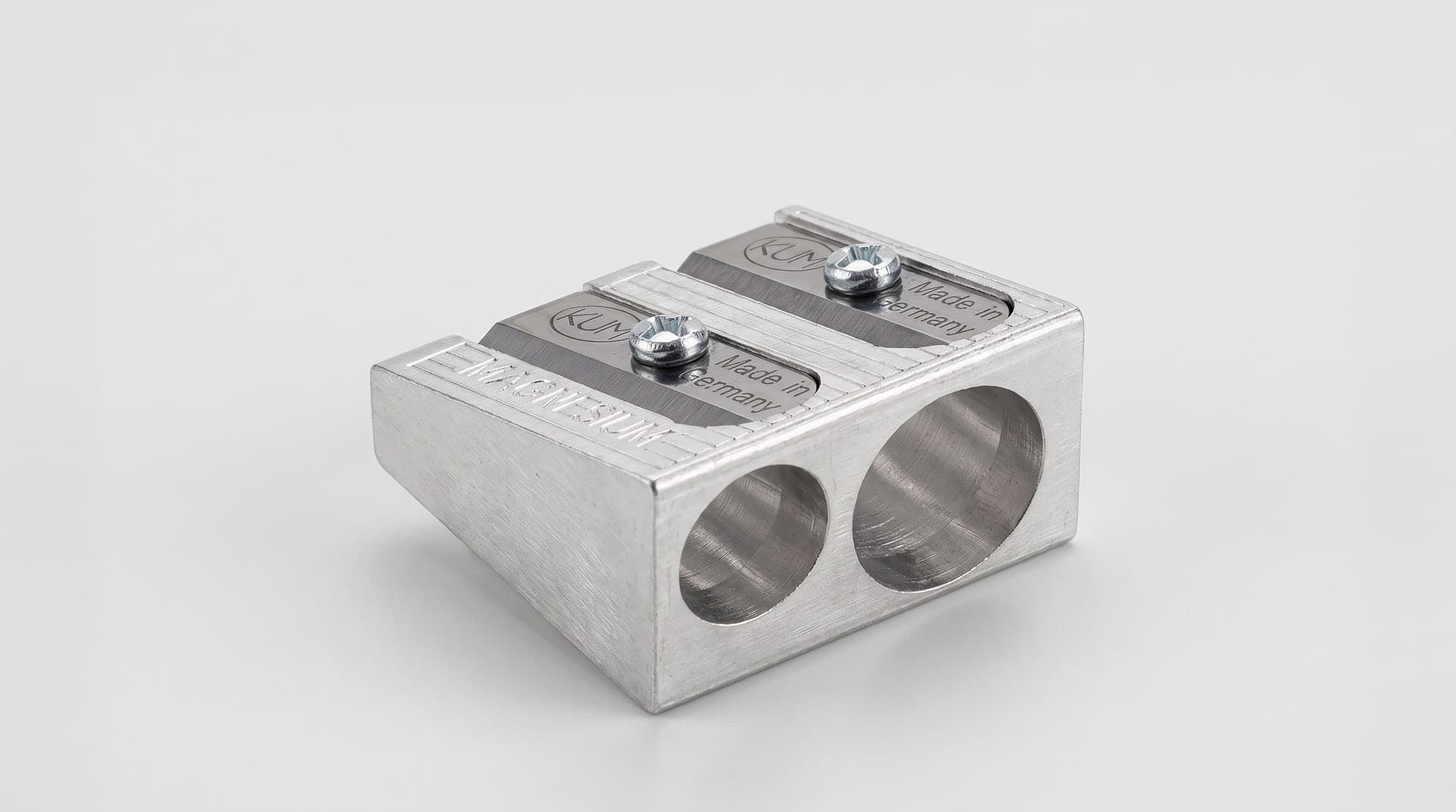
Anspitzer.
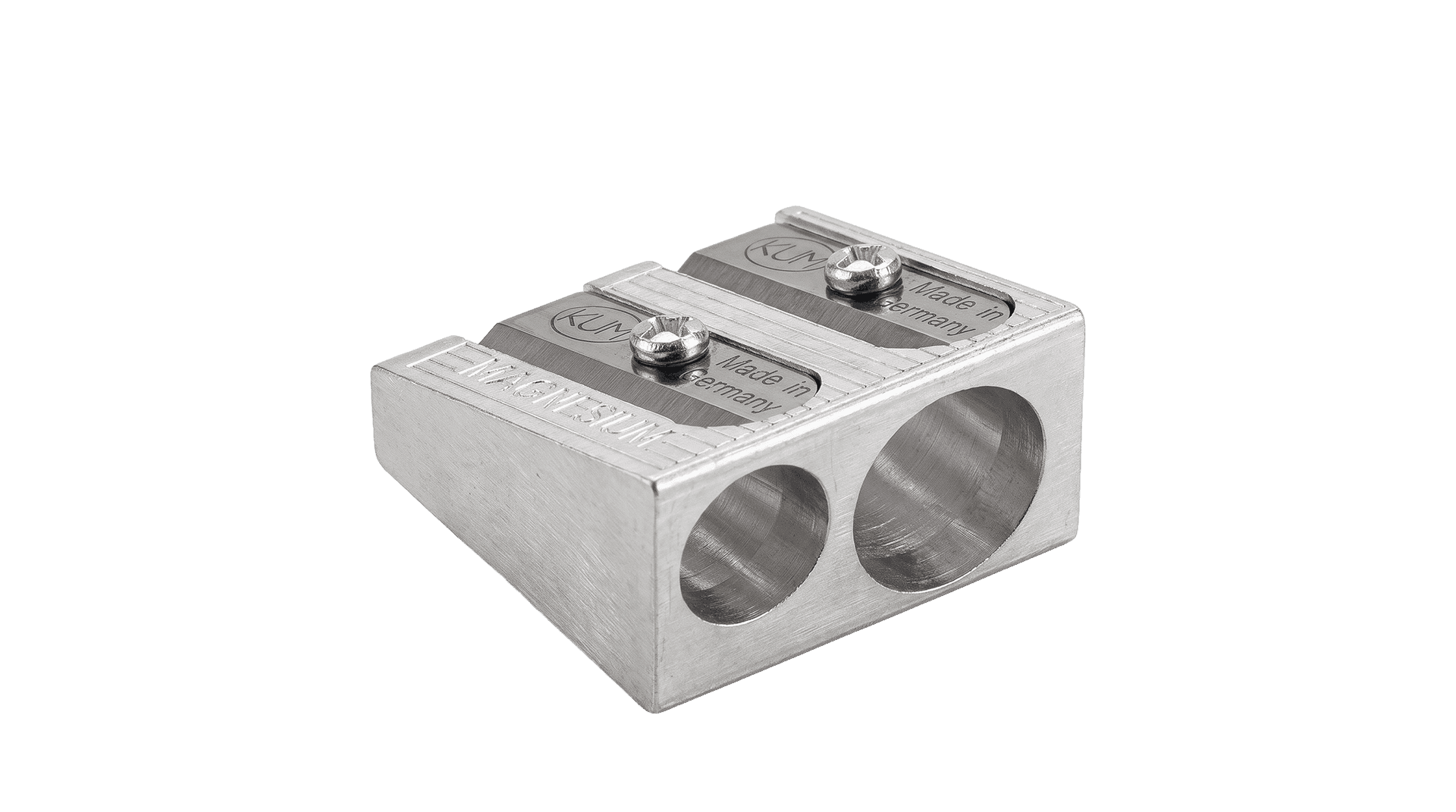
Made in Germany
since 1919
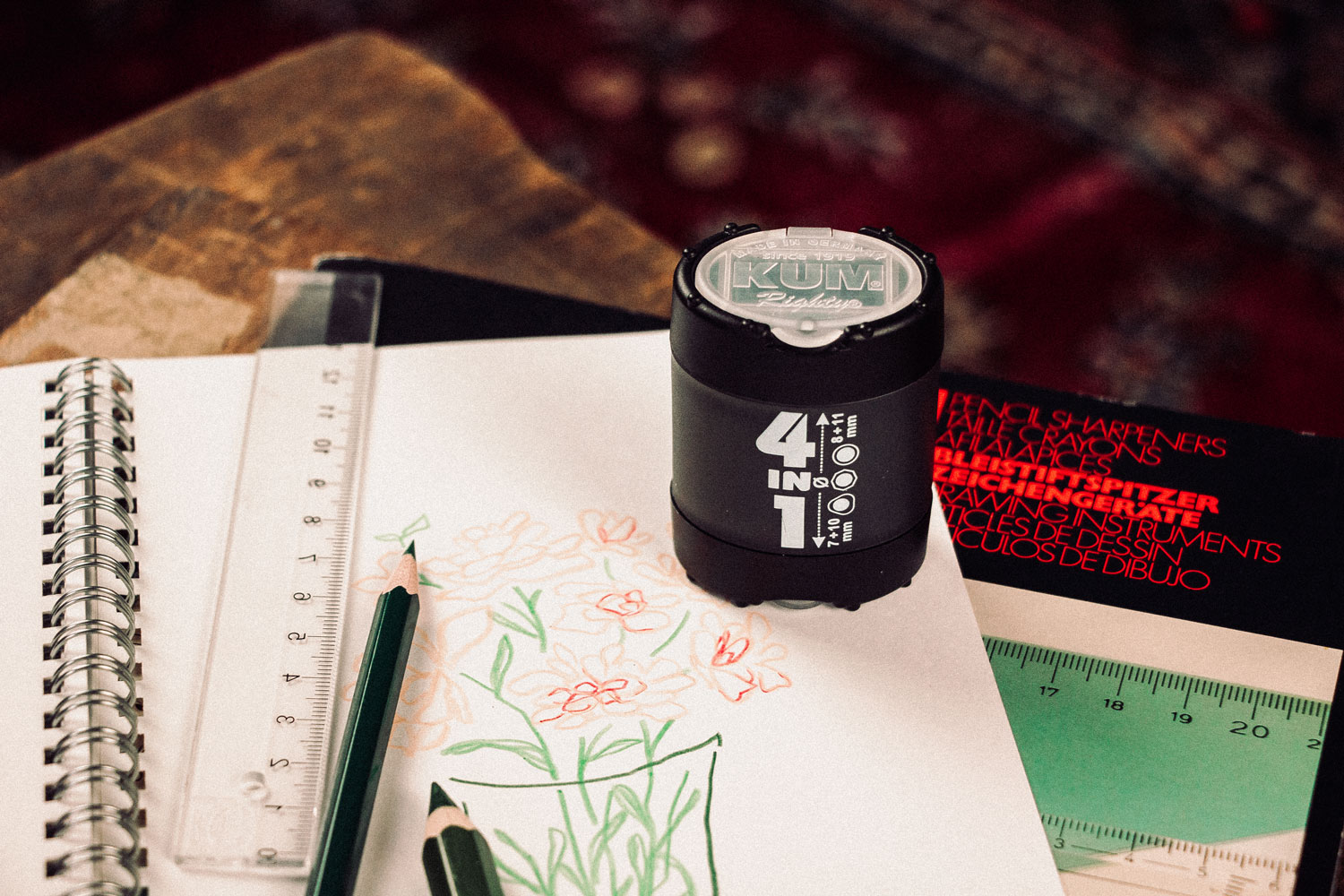
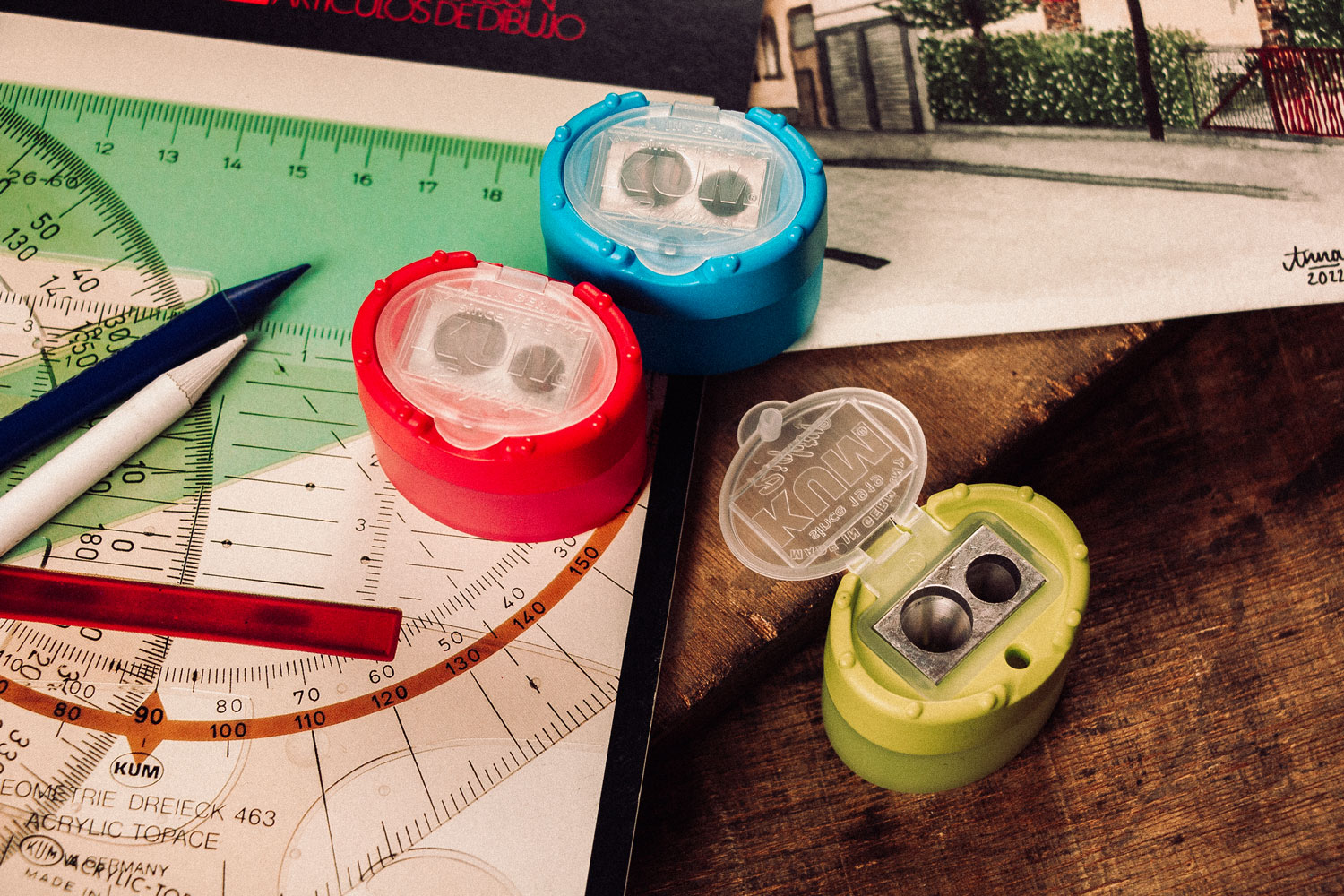
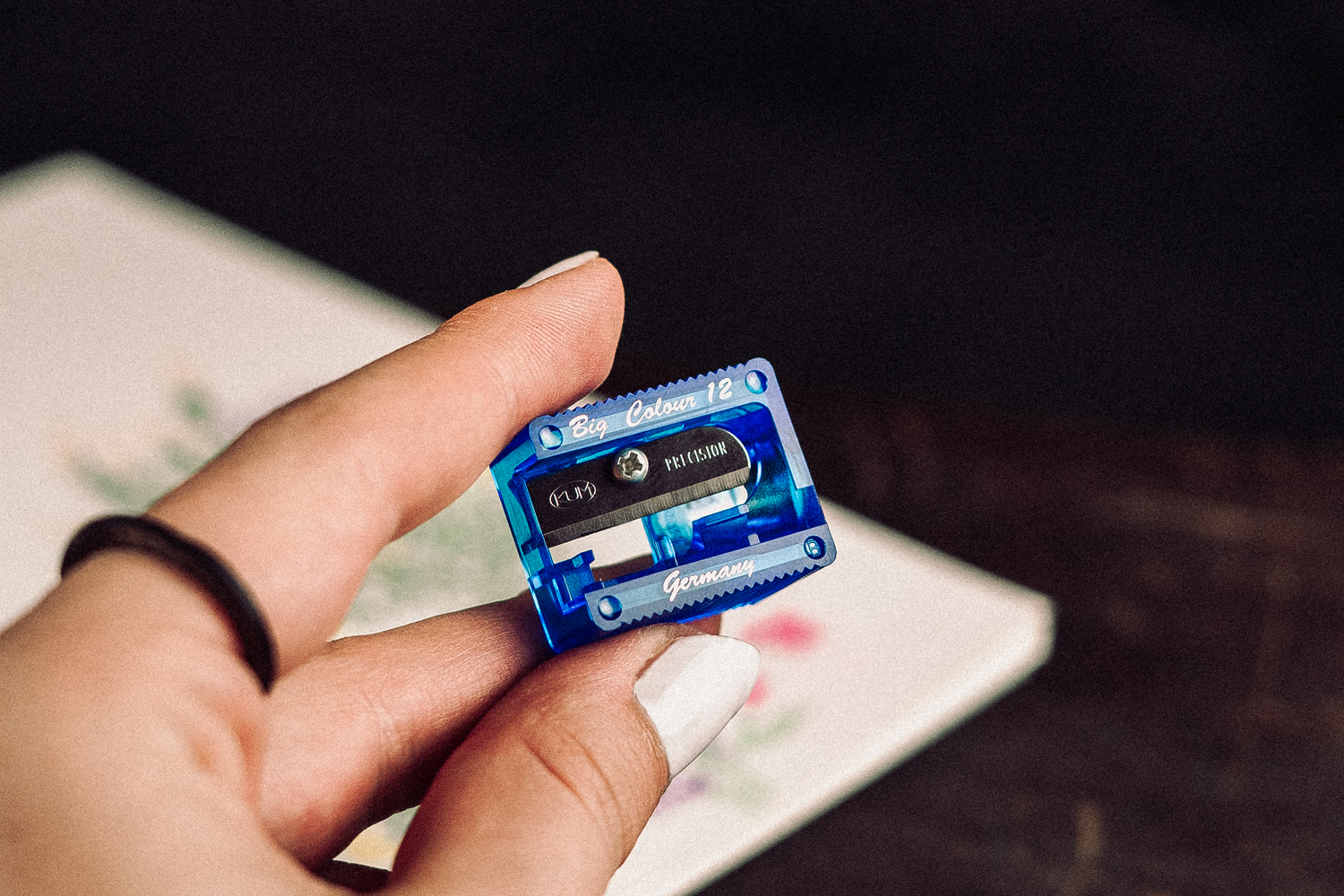
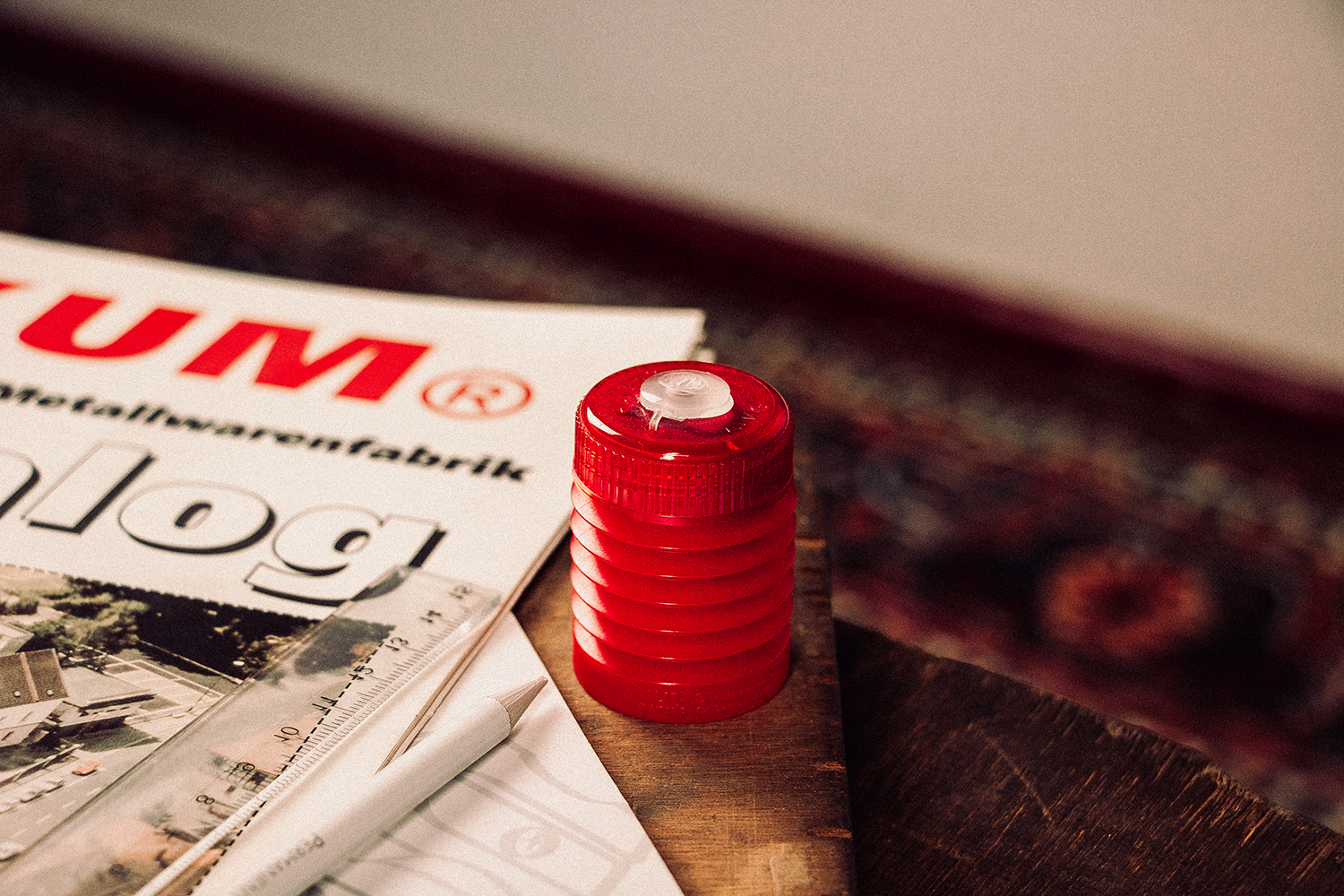
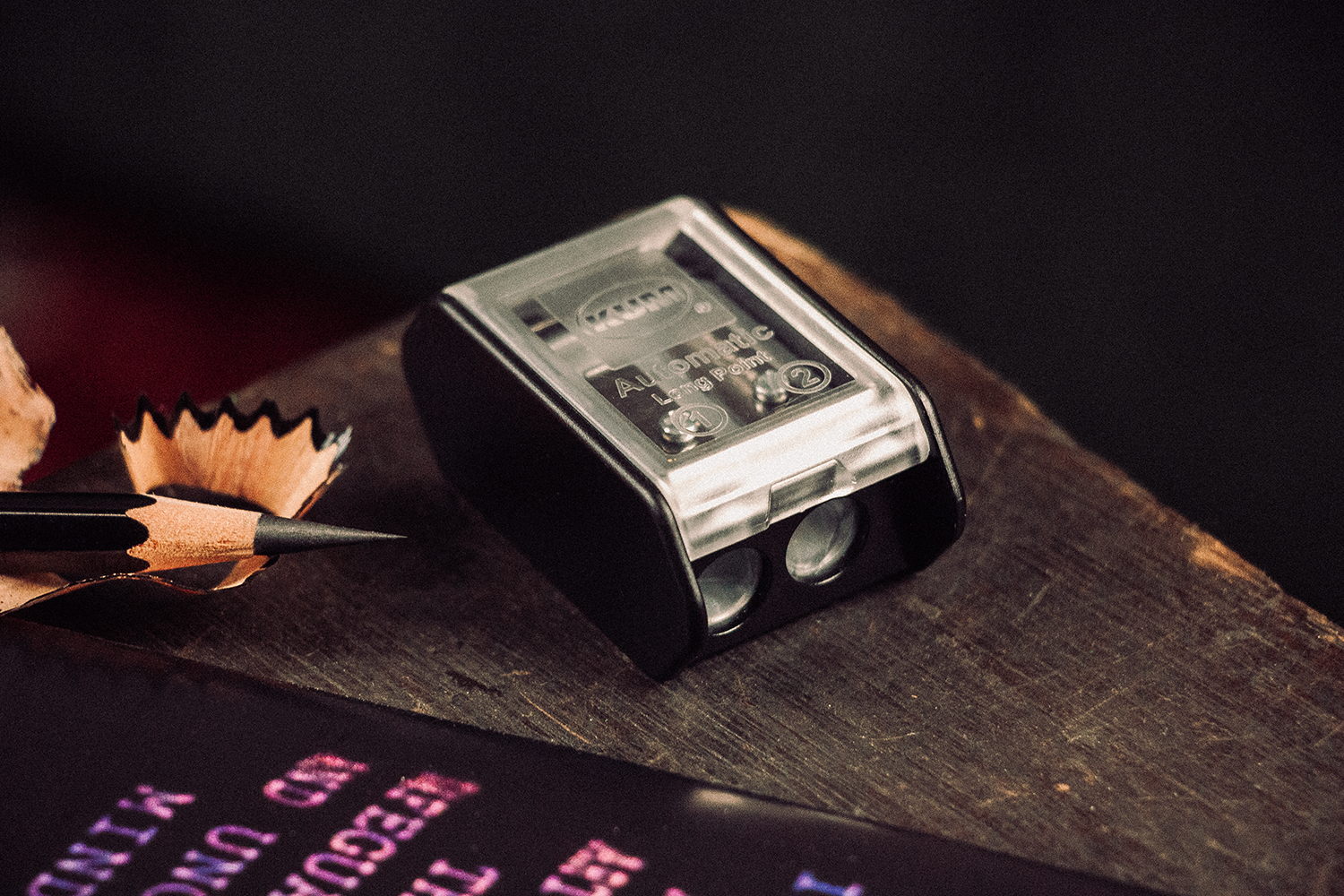
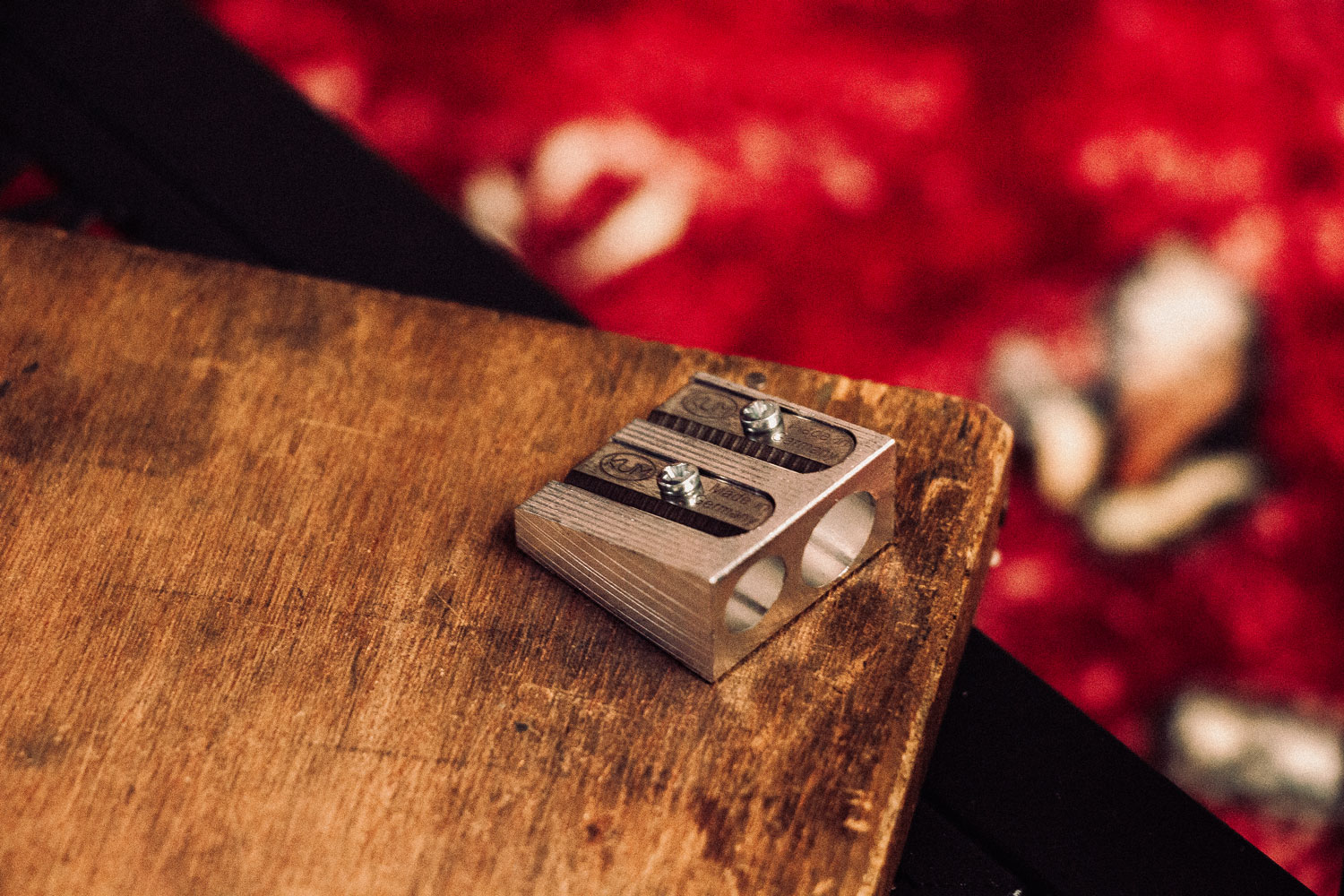
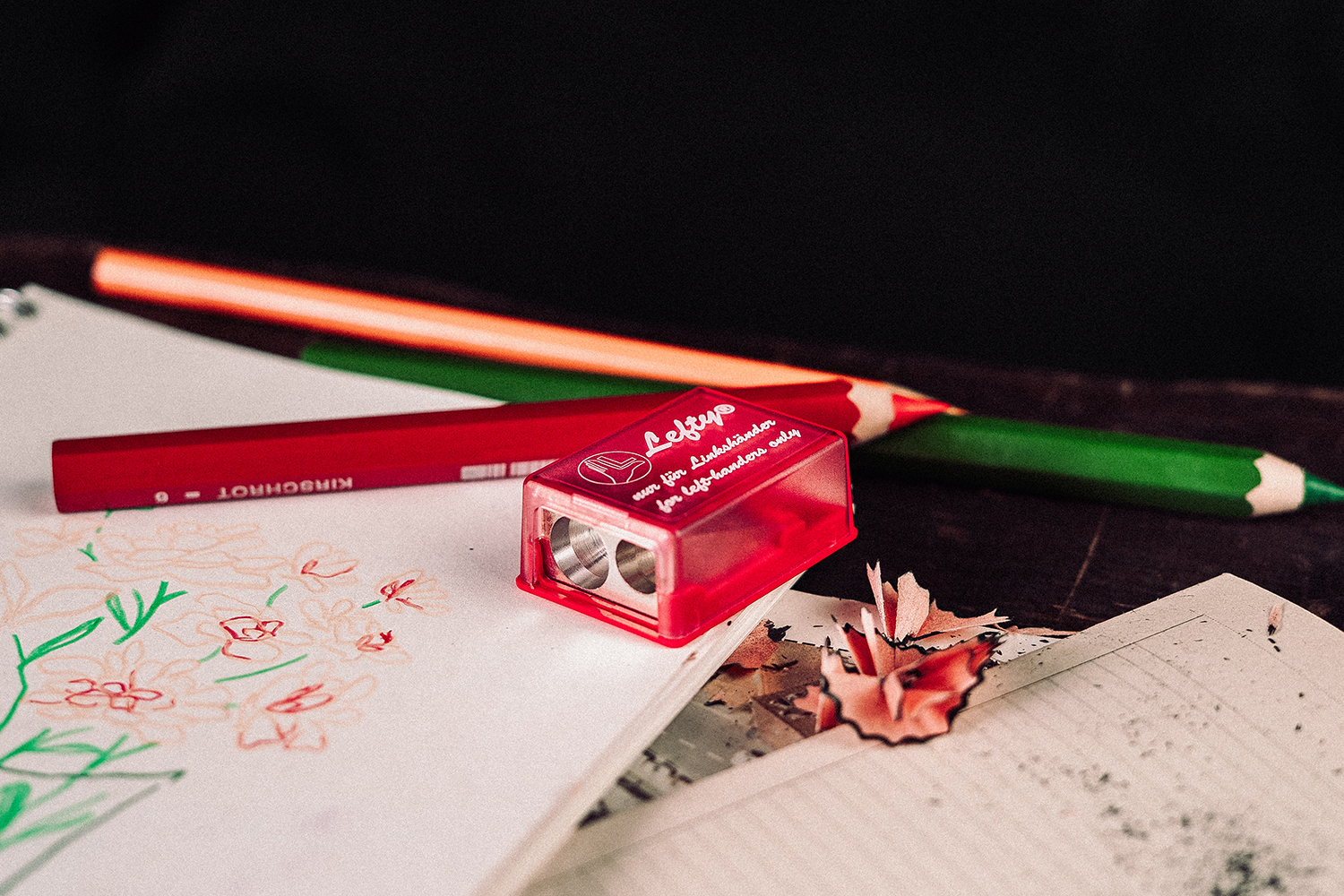
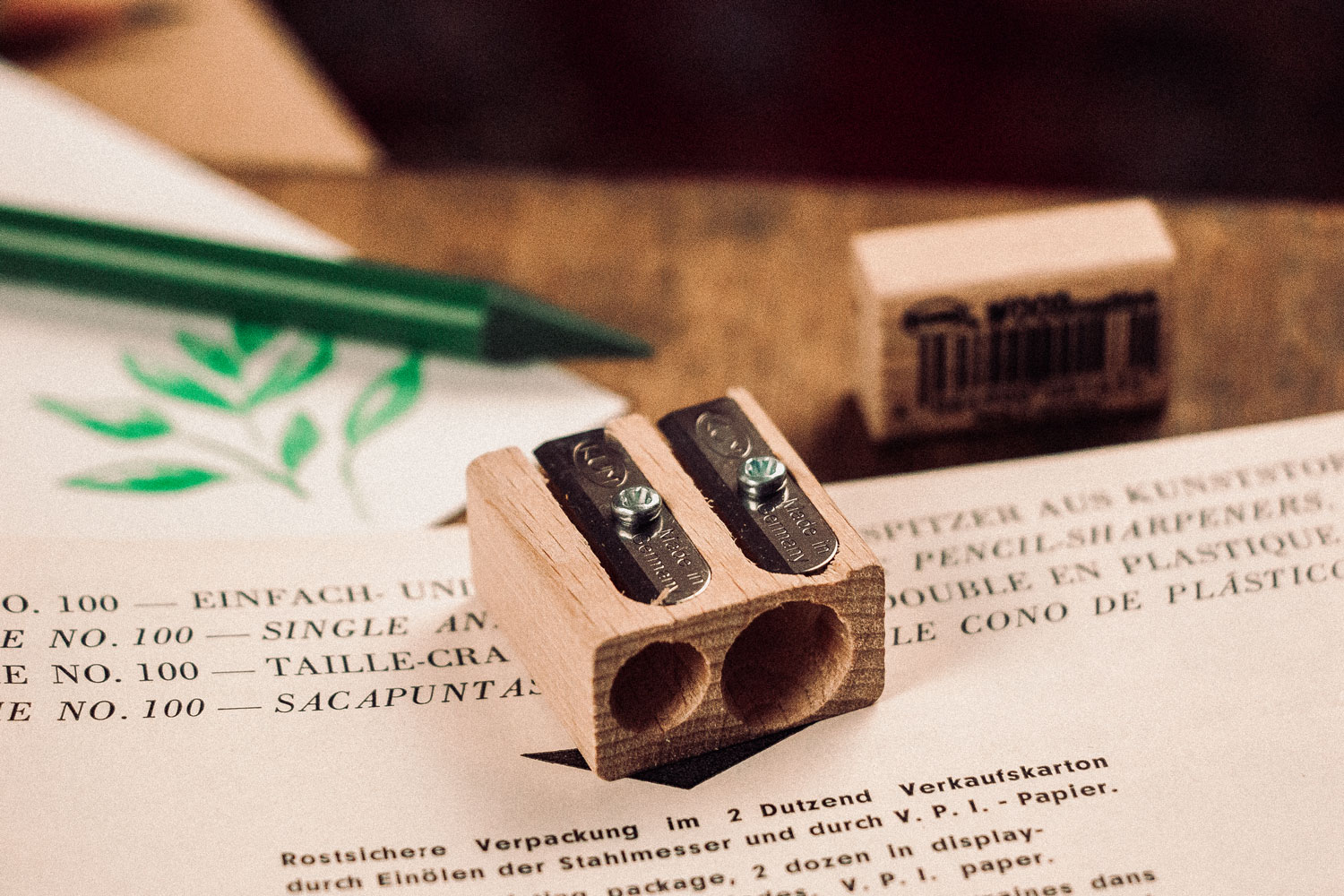
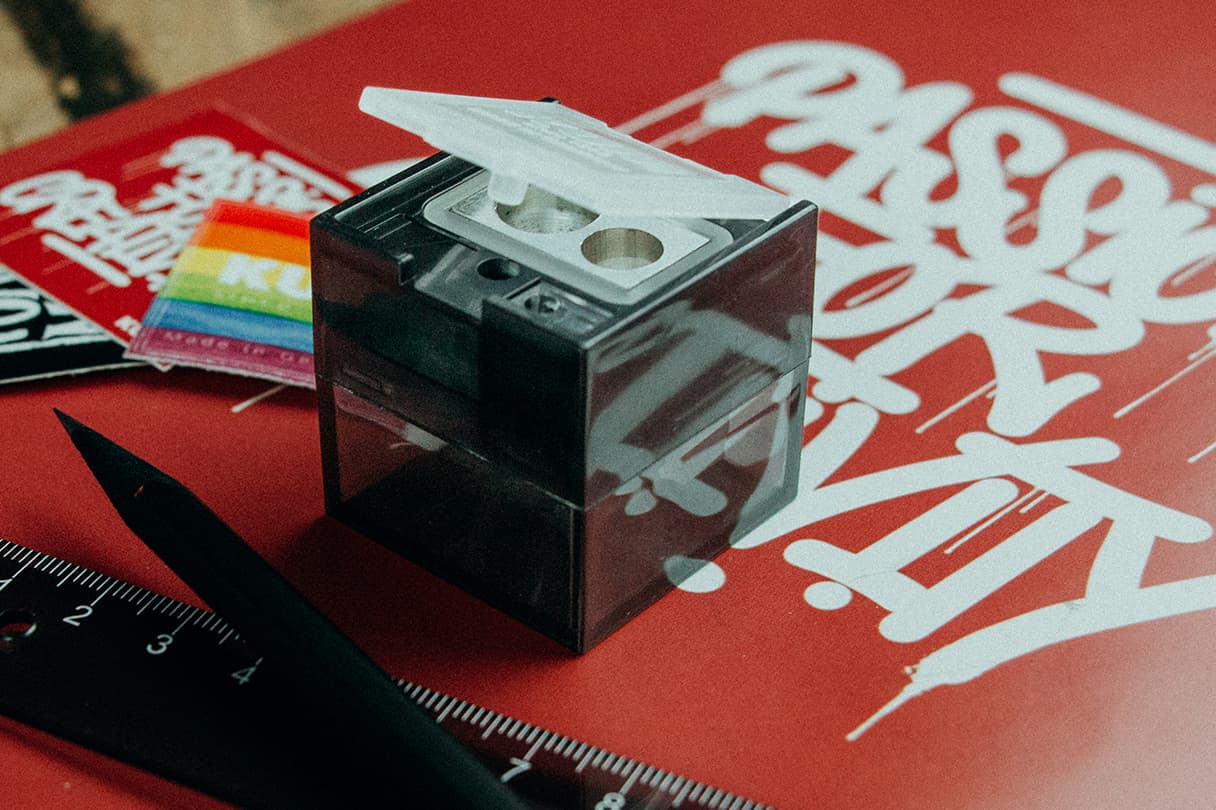
Three diameters.
One sharpener.
- 01Pencil8 mm
- 02Coloured pencil11 mm
- 03Lead3.2 mm
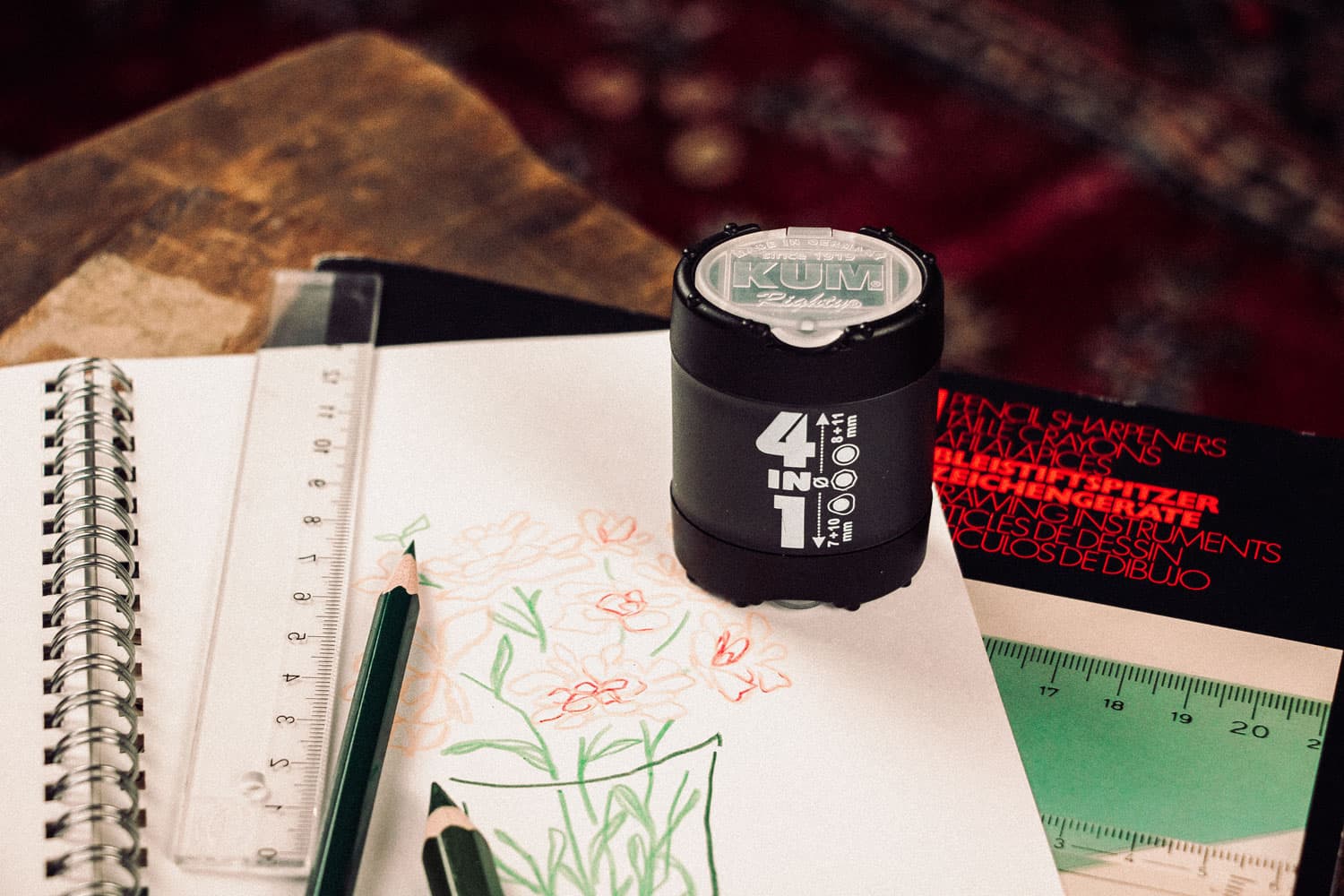
The world's first
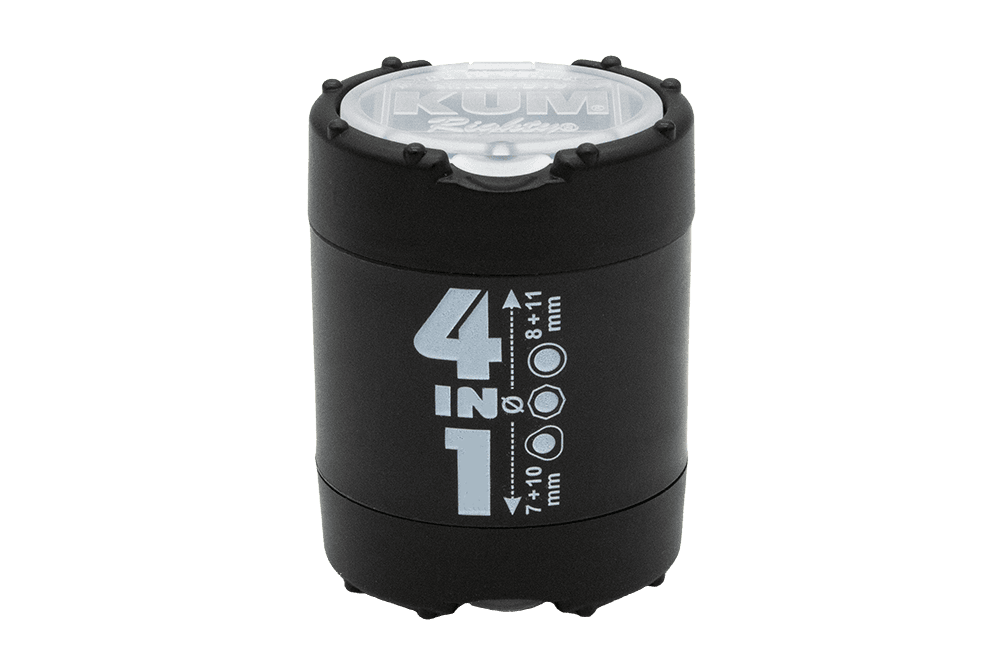
four-hole sharpener.
- 01Round, triangular, hexagonal7 mm
- 02Pencil8 mm
- 03Special diameter10 mm
- 04Coloured pencil11 mm
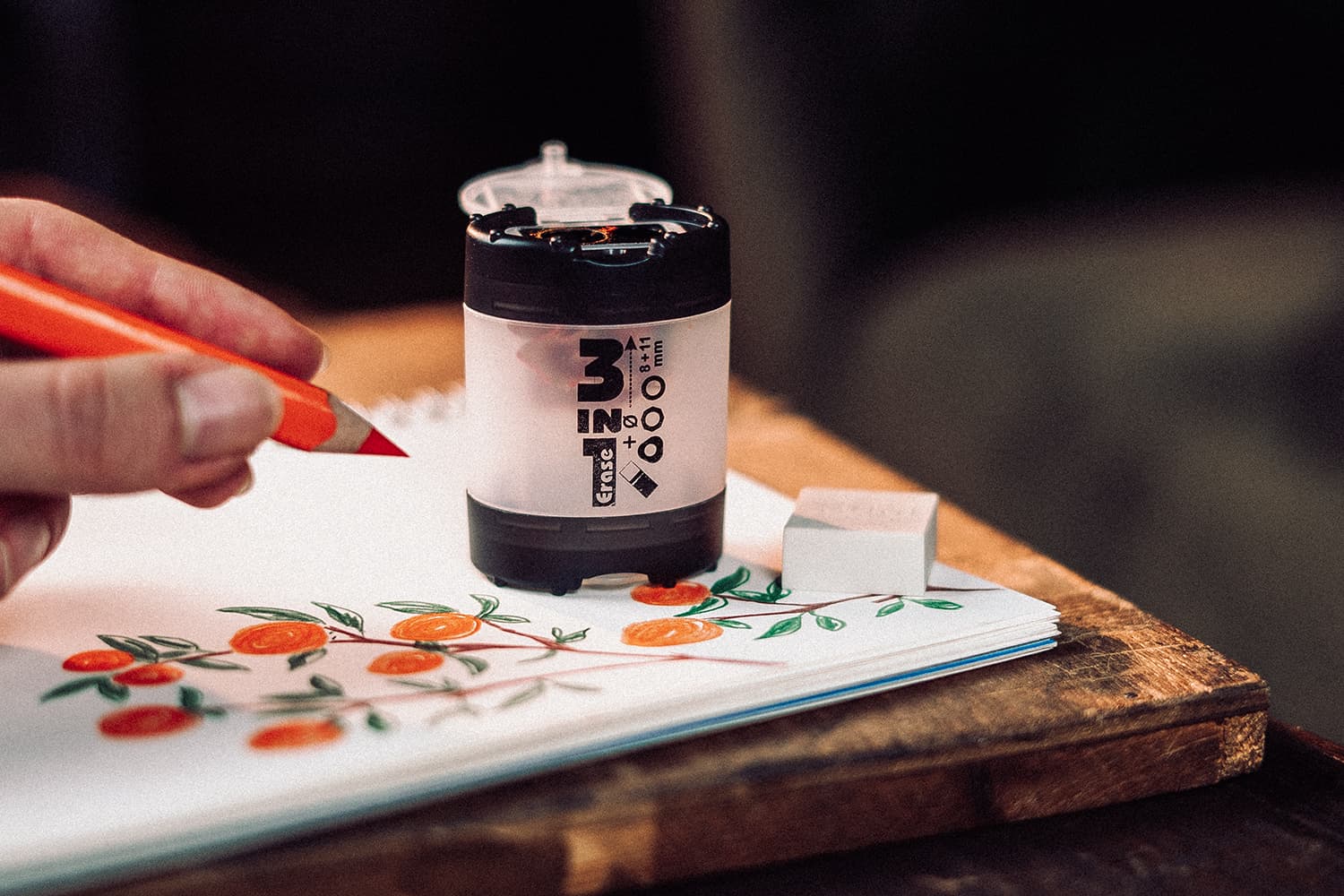
Sharpener and
eraser in one.
- 01Pencil8 mm
- 02Coloured pencil11 mm
- 03Eraserreplaceable
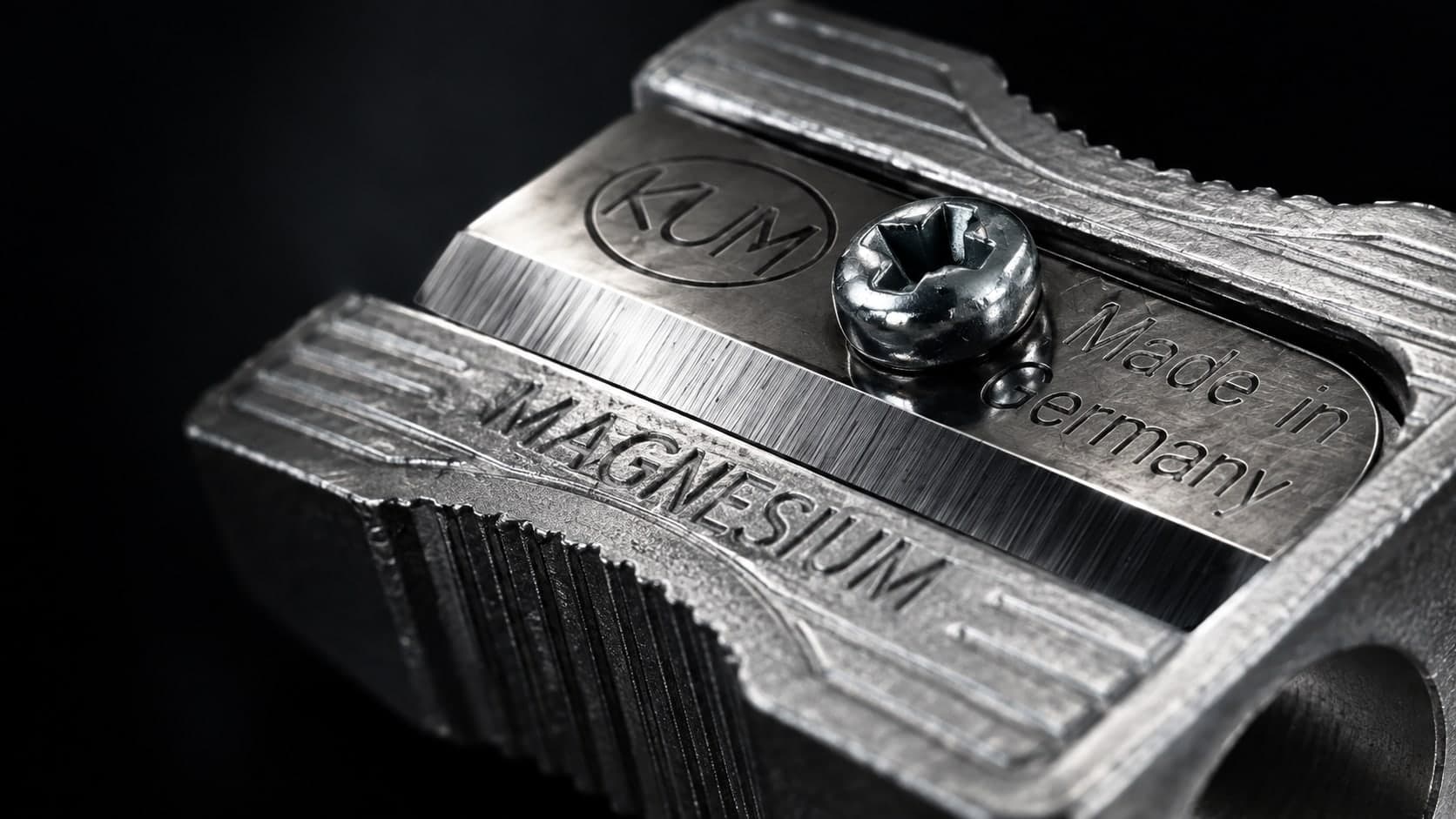
Details matter
Dynamic
Torsion
Action®
The curved blade keeps its cutting edges under constant tension. They don't lift while sharpening — and the point doesn't tear.
Das Messer
Gehärtet auf 64 HRC, gefertigt mit 5/100 mm Toleranz. Zum Vergleich: gute Küchenmesser liegen bei höchstens 53 HRC. Diese Härte braucht es, weil Bleistiftminen Ton enthalten — also Gestein.
Die Schraube
Das gebogene Messer drückt dauerhaft gegen die Schraube. Dieser Druck hält sie fest an ihrem Platz, statt dass sie sich mit der Zeit lockert.
Der Konus
Der Kegel gibt den Spitzwinkel vor. Sein Durchmesser entscheidet, welcher Stift hineinpasst — von 2 mm Minen bis 17 mm Jumbo.
Der Körper
Magnesium bei den Metallanspitzern: formstabil genug, dass das Messer exakt sitzt. Dazu Kunststoff, Messing, Buchenholz und recycelter Karton je nach Serie.
KUM® Dynamic Torsion Action
Warum unser Messer gebogen ist.
Ein gerades Messer wird beim Anspitzen vom Stift nach oben gedrückt. Hebt die Schneidkante auch nur minimal ab, reißt die Spitze statt sauber geschnitten zu werden. Unser Messer ist gebogen — allein diese Form hält die Schneidkanten dauerhaft unter Spannung, sodass sie beim Anspitzen dort bleiben, wo sie hingehören.
Gerades Messer
Kante hebt ab — die Spitze reißt und das Holz franst aus.
Gebogenes KUM Messer
Kanten bleiben unter Spannung — saubere, gleichmäßige Spitze.
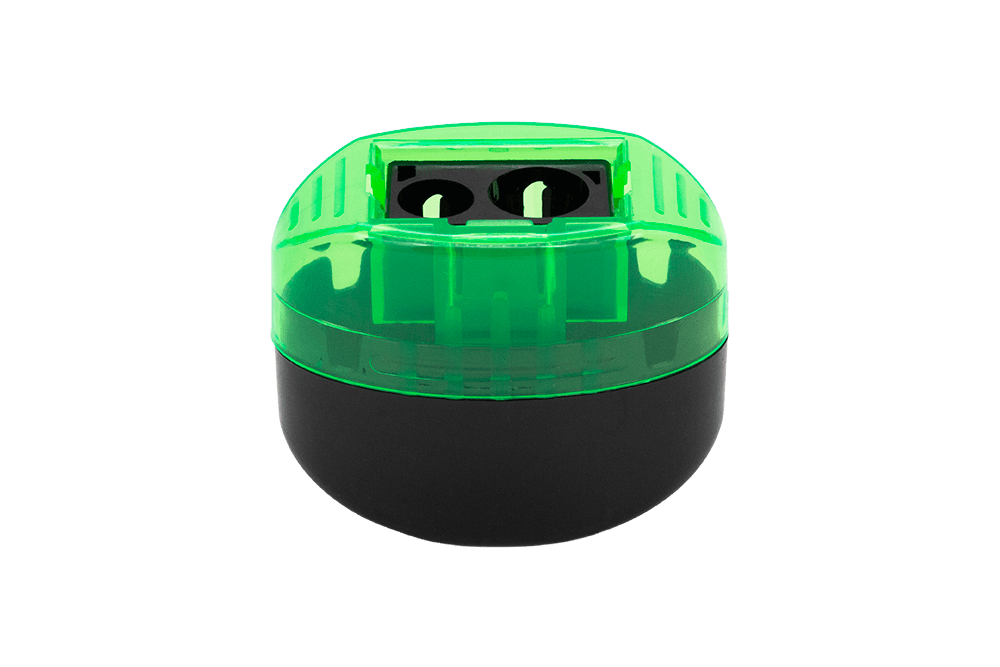
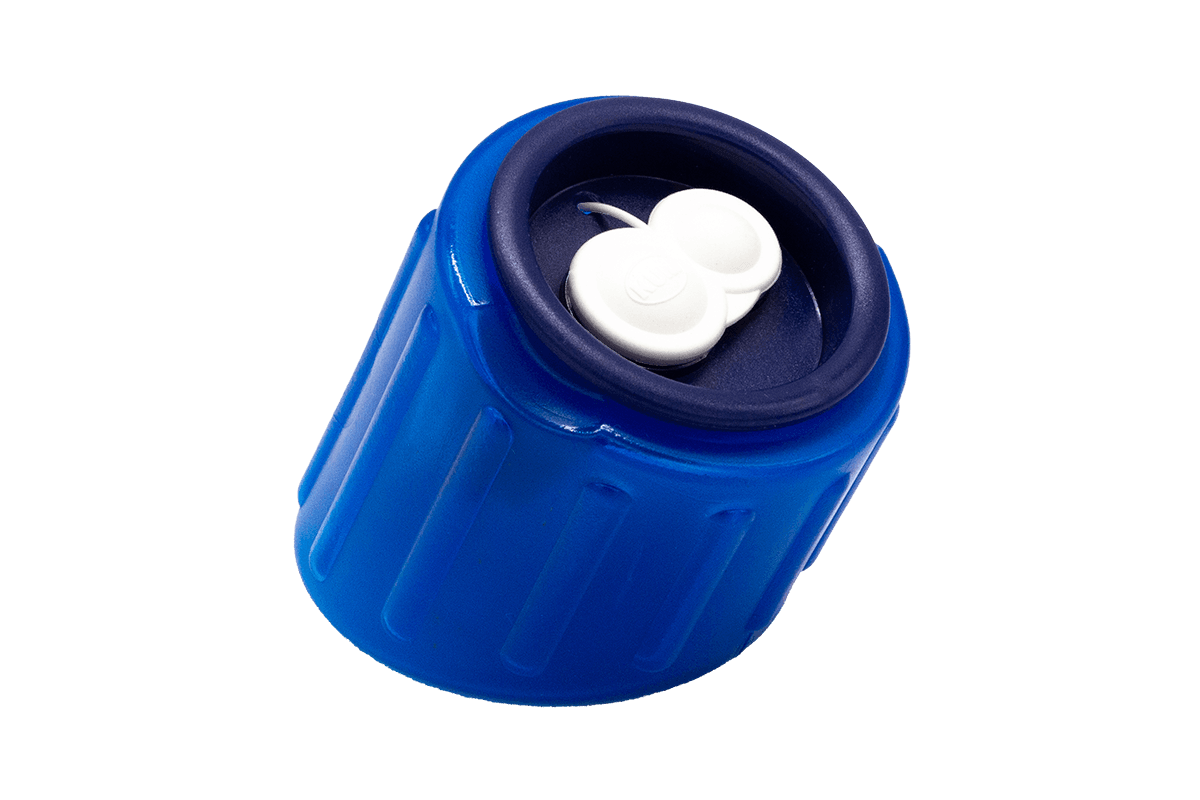
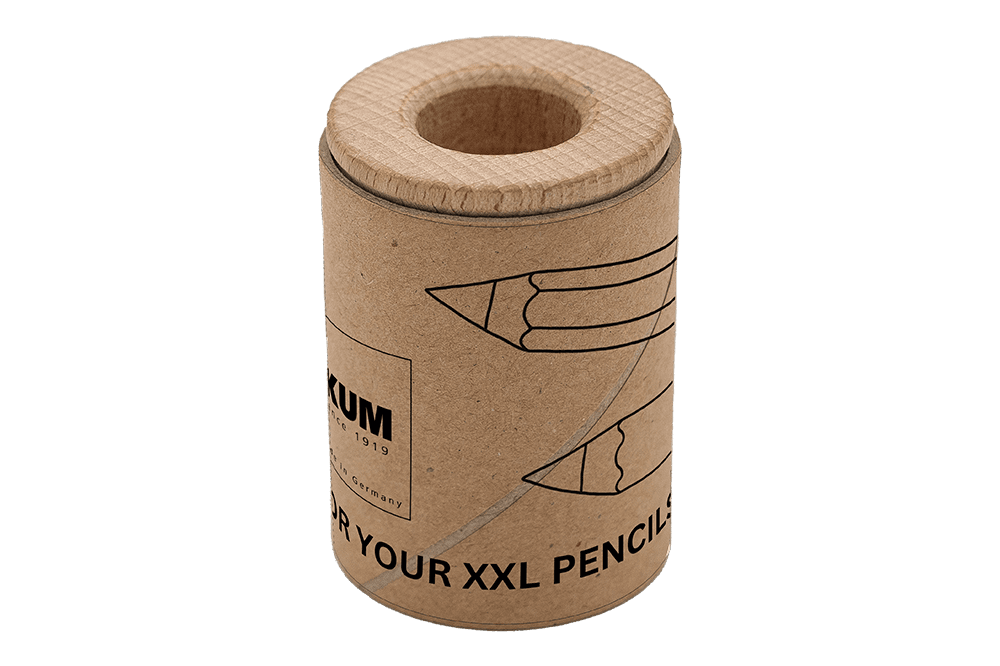
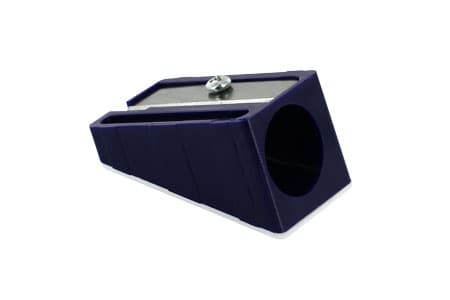
Choose your pencil.
Find your sharpener.
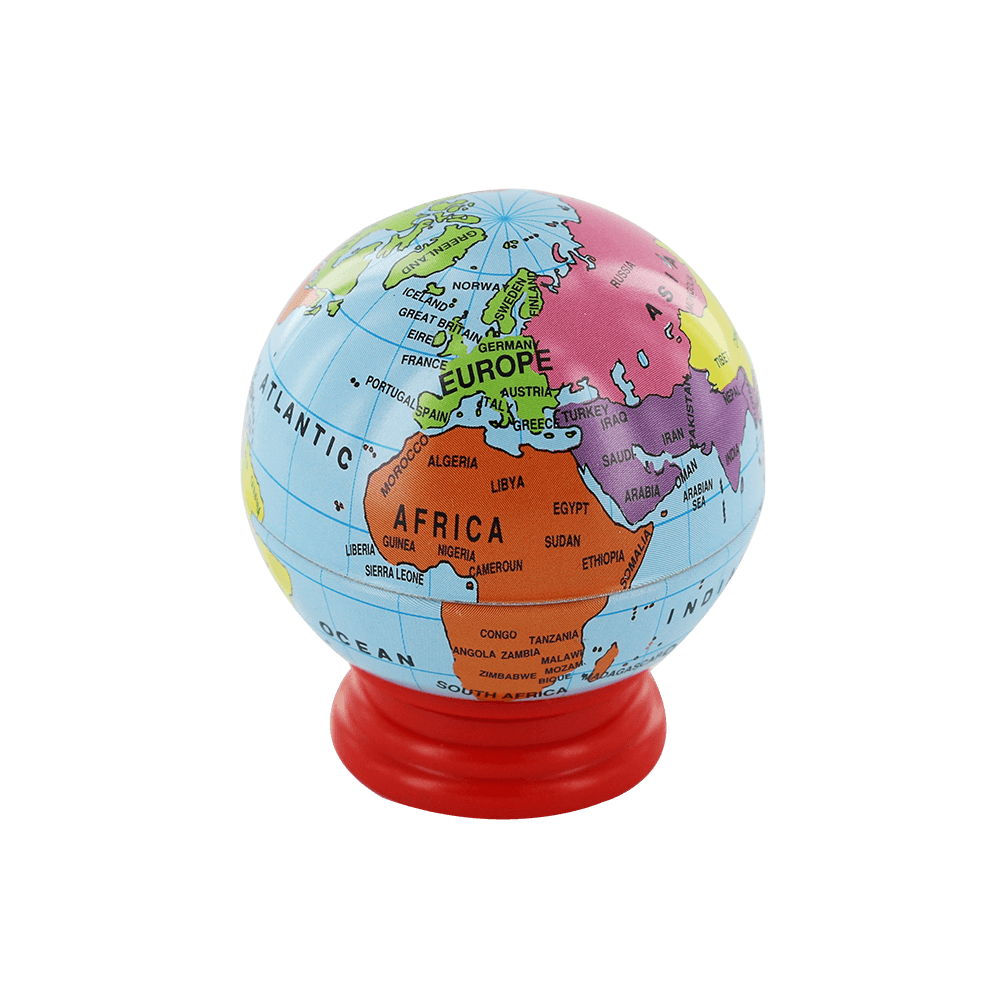
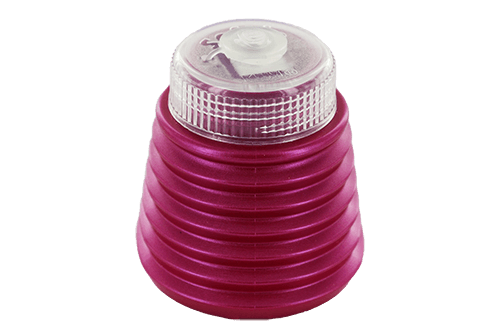
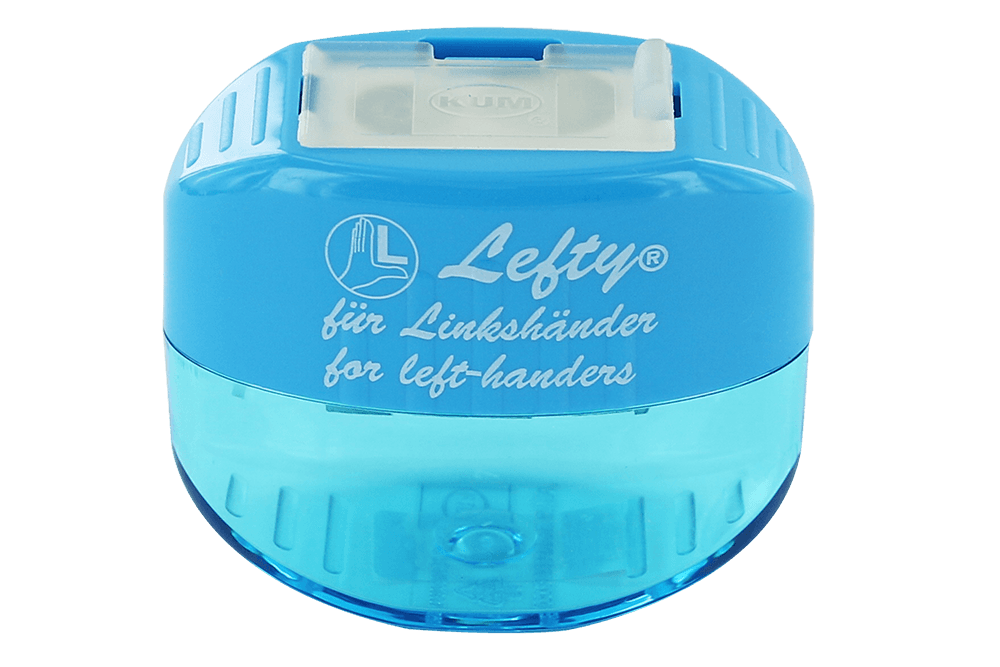
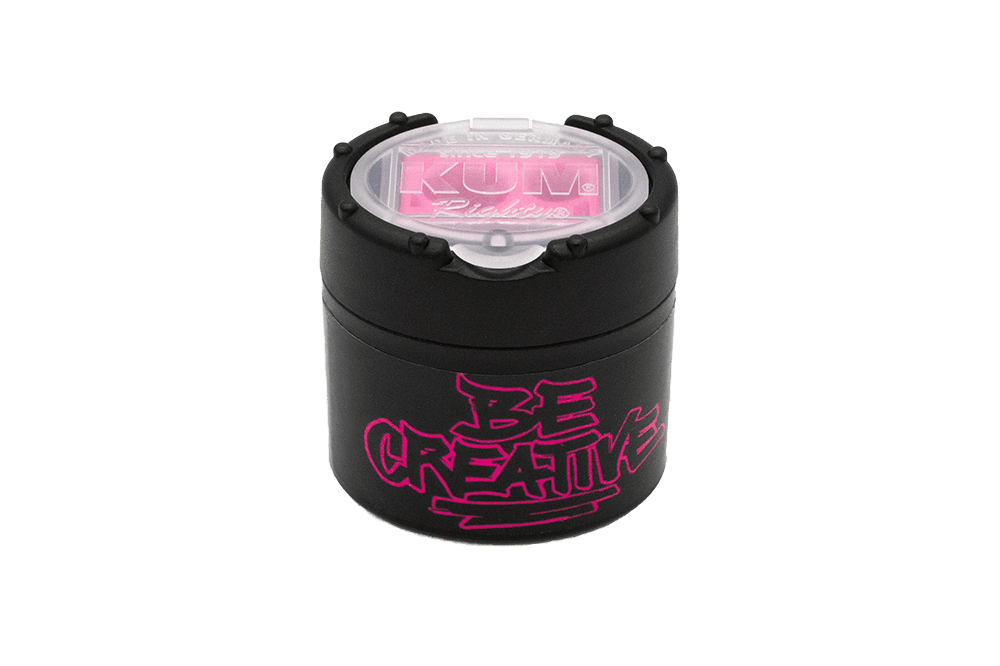
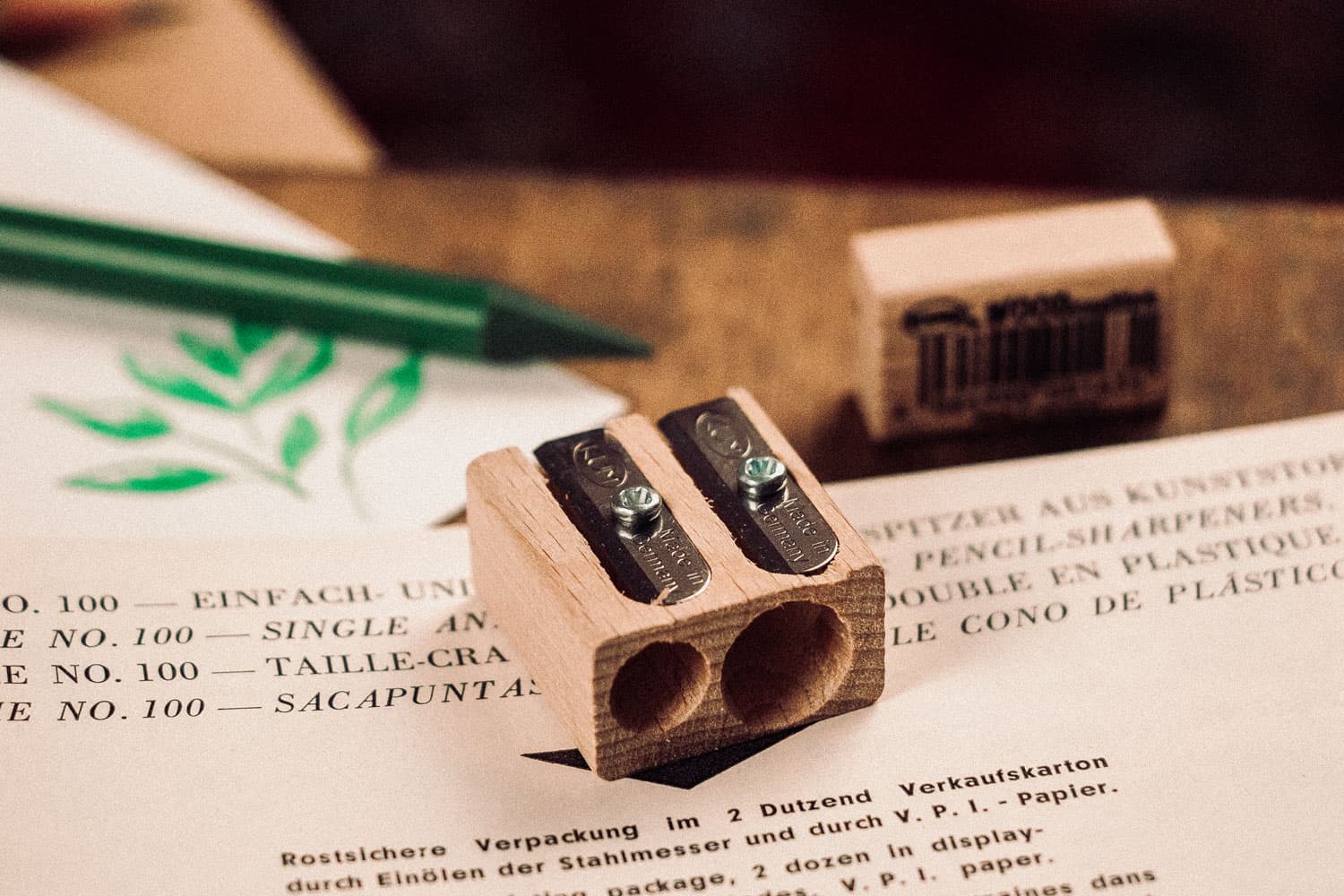
Made in Germany since 1919
- Founded in Erlangen
- 1919Founded in Erlangen
- Years building sharpeners
- 100+Years building sharpeners
- HRC blade hardness
- 64HRC blade hardness
Made to make a point.
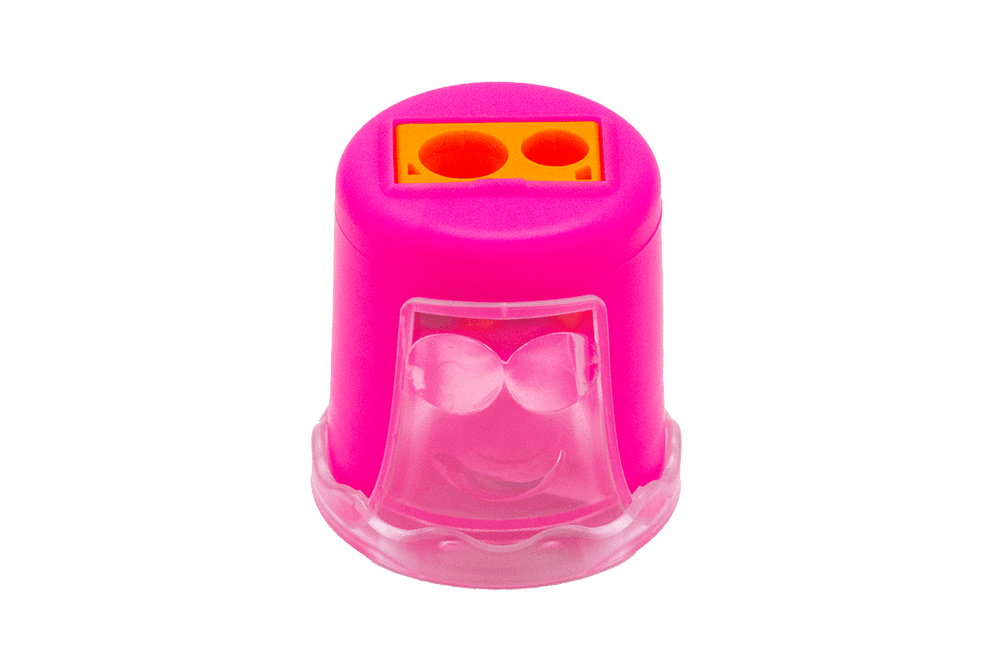
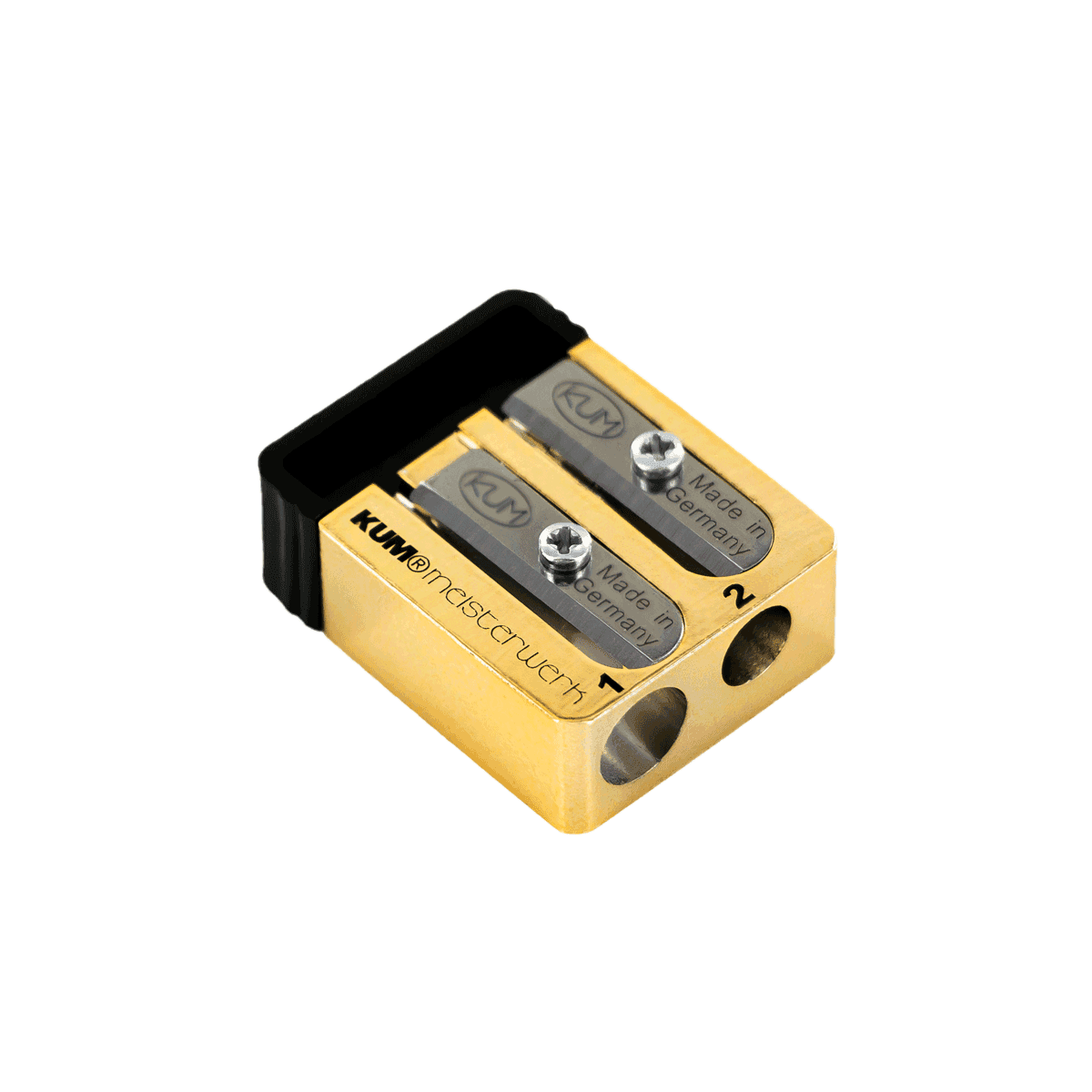
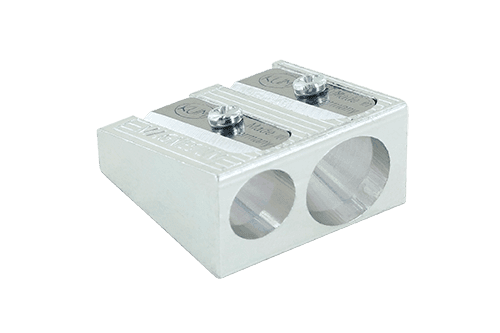
- 01
The Blade
What decides the quality of a point isn't the housing, it's the blade. If it doesn't cut cleanly, the sharpener is worthless — no matter how it looks.
5/100 mm manufacturing tolerance
- 02
The Hardness
Pencil leads contain clay, a mineral component. Normally metal grinds stone — sharpening does the reverse. That's why we harden our steel to 64 HRC.
Kitchen knives: max. 53 HRC
- 03
The Diameter
The most common reason leads snap is simply the wrong hole. If the pencil sits too loosely, the blade can't cut cleanly — the lead breaks, the wood frays.
2 to 17 mm in the range
- 04
The Control
A straight blade gets pushed upward while sharpening. Ours is curved — that shape alone keeps the cutting edges under constant tension, so they don't lift.
Dynamic Torsion Action®
Questions?
Let's get
to the point.
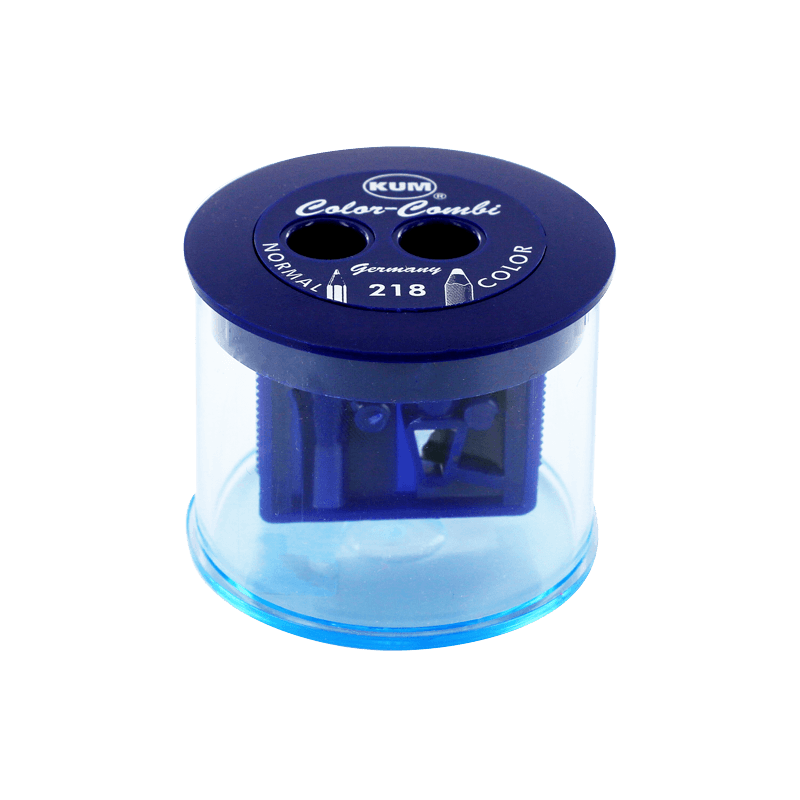
Which sharpener works for coloured pencils?
Thick coloured and art pencils are usually 11 mm. A double sharpener covers both common sizes with 8 and 11 mm. For jumbo coloured pencils from 12 mm up there are dedicated models, some with twin-blade technology for a round, break-resistant point.
Which sharpener works for thick pencils?
Our range for thick pencils covers 9, 12, 16 and 17 mm — for example the Big 12 for 12 mm or the 100-70 for pencils up to 17 mm. These models are built for jumbo pencils and wax crayons.
What is a lead sharpener?
A lead sharpener doesn't sharpen the whole pencil, just the bare lead of a mechanical pencil. Our models are tuned for 2 mm and 3.15 mm and guide the lead through a controlled cut.
Why do coloured pencil leads break while sharpening?
The usual causes are a loose or blunt blade, too much pressure while sharpening, a lead that was already damaged, or the wrong diameter. Turn slowly and with a light touch, check the blade and choose the right diameter.
What is KUM Dynamic Torsion Action®?
Our blade is curved. That shape keeps the cutting edges under constant tension, so they aren't lifted by the pencil while sharpening. That stops the point from springing back and tearing. It also keeps pressure on the blade screw, so it doesn't loosen as easily.
Why are KUM blades hardened to 64 HRC?
Because pencil leads contain clay, a mineral component. Normally metal grinds stone; sharpening does the reverse. For comparison, high-quality kitchen knives reach at most around 53 HRC.
What diameter does a standard pencil have?
A standard pencil measures 8 mm, thicker colouring pencils usually 11 mm. That's why double sharpeners typically have exactly those two holes.
Sharpener with or without a container?
A container catches the shavings and is useful anywhere there's no bin within reach. Models without a container are more compact and durable, since they have no mechanism that can break.
Can you resharpen the blade yourself?
No. It's too easy to change the correct cutting angle doing that. If the point tears or the wood frays, fit a replacement blade instead — but first check whether the blade is simply loose or dirty.
Where are KUM sharpeners made?
In Erlangen. We have our own production there, a development department and a tool- and machine-building department — at the same site since the company was founded in 1919.