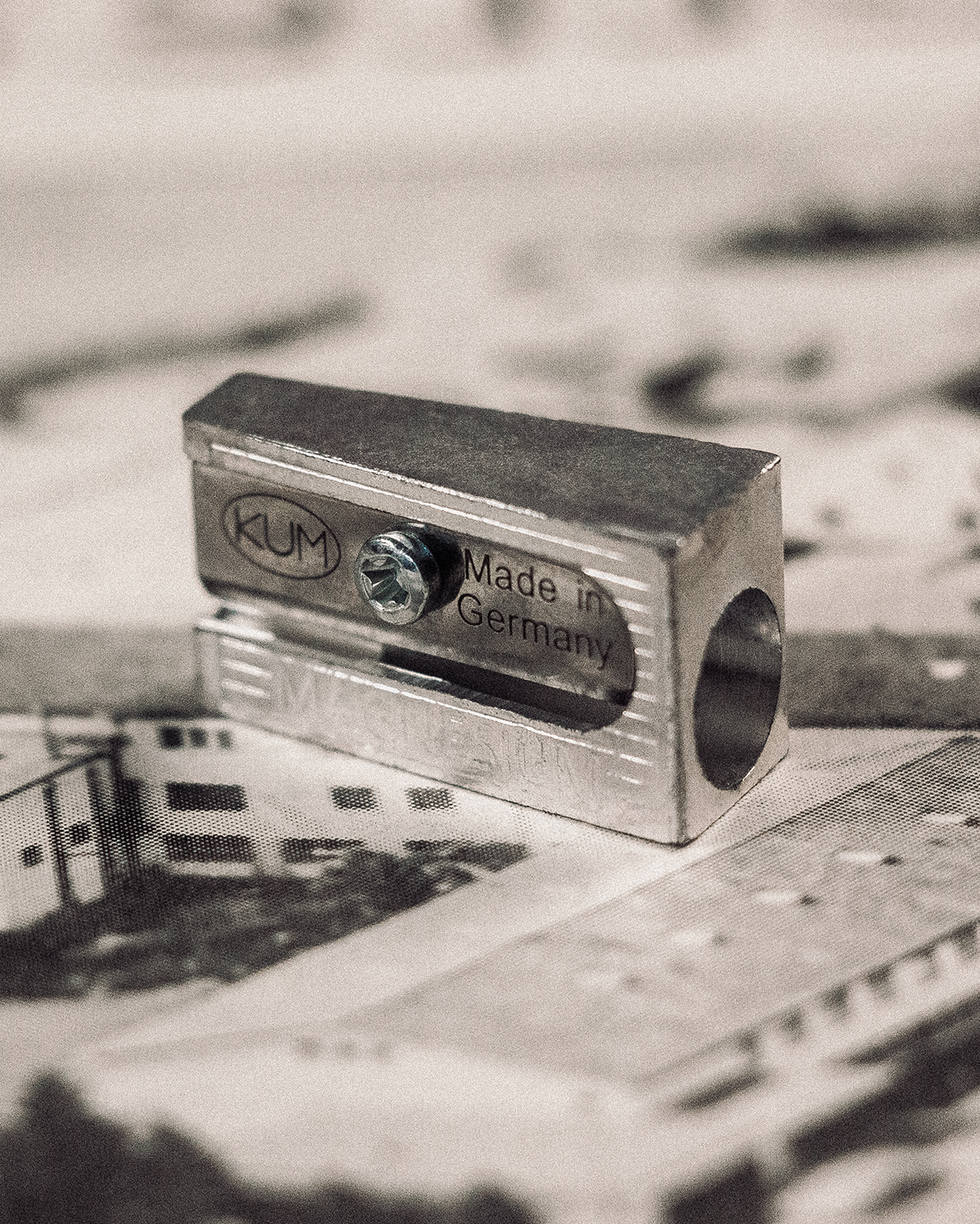
KUM Sharpener
More than 100 years of innovation and precision
-
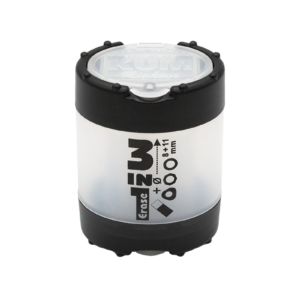
3-in-1 Double Sharpener + Eraser
€2,99 – €4,99 inkl. Mwst. zeig mir mehr -
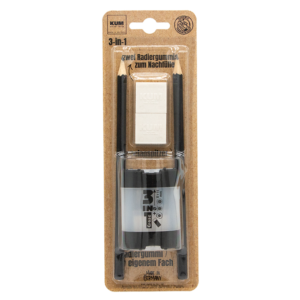
3-in-1 Stationery Set
€4,99 inkl. Mwst. zeig mir mehr -
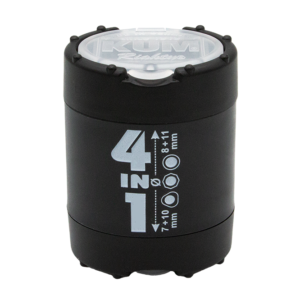
4-in-1 Four Diameter Sharpener
€3,79 inkl. Mwst. zeig mir mehr -
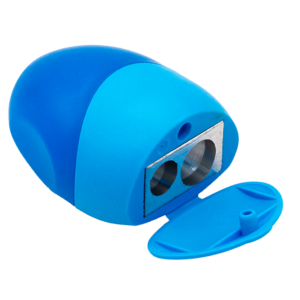
Double Pencil Pal® Sharpener
€3,19 inkl. Mwst. zeig mir mehr -
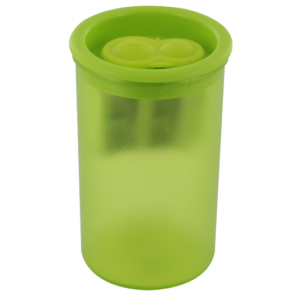
Double Sharpener 1870 KM2
€3,29 inkl. Mwst. zeig mir mehr -
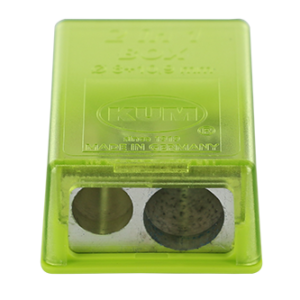
Double Sharpener 2-in-1
€1,79 – €3,59 inkl. Mwst. zeig mir mehr -
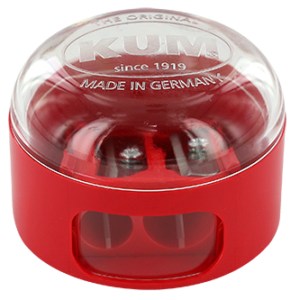
Double Sharpener 208
€1,89 – €3,19 inkl. Mwst. zeig mir mehr -

Double sharpener Big Snap
€2,69 inkl. Mwst. zeig mir mehr -
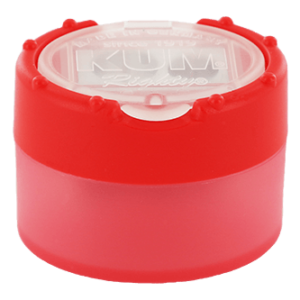
Double Sharpener Click-Snap®
€2,19 – €3,69 inkl. Mwst. zeig mir mehr -
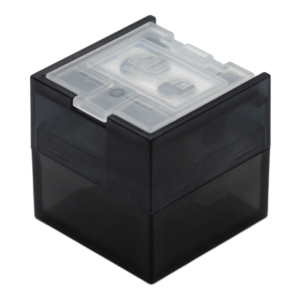
Double Sharpener CUB3 3in1
€4,59 inkl. Mwst. zeig mir mehr -
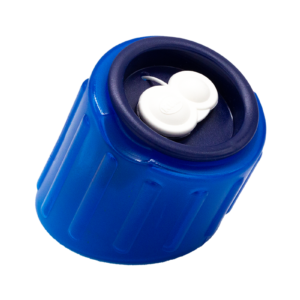
Double sharpener Groove K2
€2,19 inkl. Mwst. zeig mir mehr -
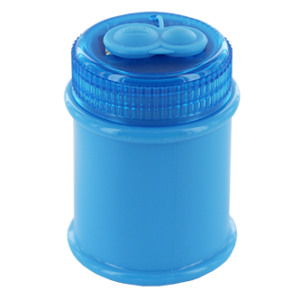
Double Sharpener Maxi M2
€4,59 inkl. Mwst. zeig mir mehr -
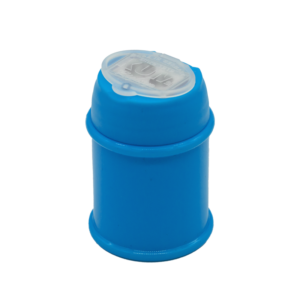
Double Sharpener Maxi M2 Dust-Stop
€4,59 inkl. Mwst. zeig mir mehr -
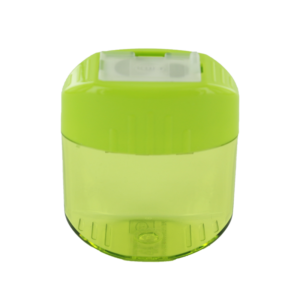
Double Sharpener Oval Office
€3,69 inkl. Mwst. zeig mir mehr -
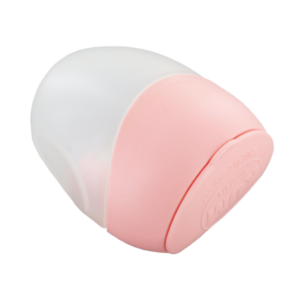
Double Sharpener Pastel
€2,09 – €3,69 inkl. Mwst. zeig mir mehr -
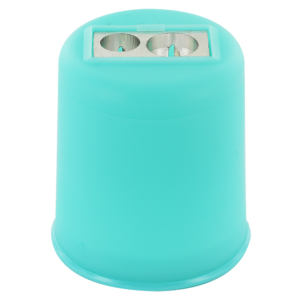
Double Sharpener Pod
€1,89 – €3,79 inkl. Mwst. zeig mir mehr -
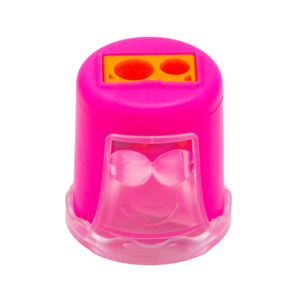
Double sharpener Spitzblick
€1,99 inkl. Mwst. zeig mir mehr -
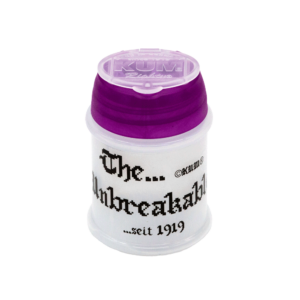
Double Sharpener The Unbreakable
€4,49 inkl. Mwst. zeig mir mehr -
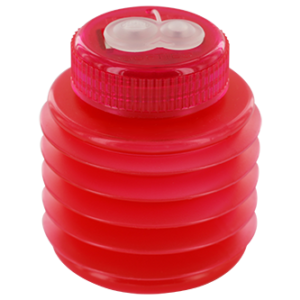
Flexible Double Sharpener Softie® 442 M2
€5,59 inkl. Mwst. zeig mir mehr -
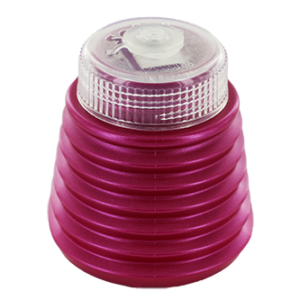
Flexible Sharpener Softie® 221 M1
€3,99 inkl. Mwst. zeig mir mehr -

Globe Sharpener
€4,19 inkl. Mwst. zeig mir mehr -
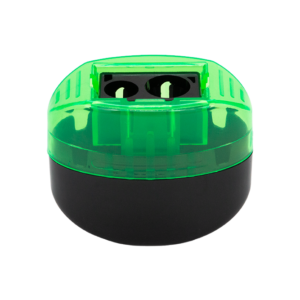
Green Line
€1,19 – €2,29 inkl. Mwst. zeig mir mehr -
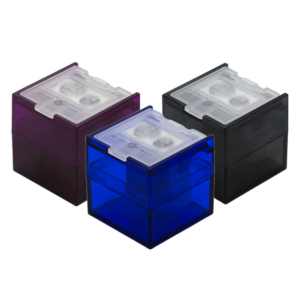
KUM Mellow
€0,79 – €4,99 inkl. Mwst. zeig mir mehr -
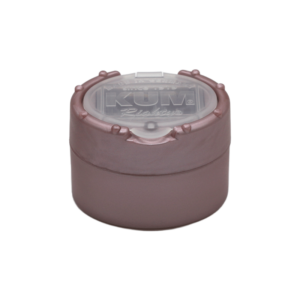
KUM Rosé
€0,89 – €2,29 inkl. Mwst. zeig mir mehr -
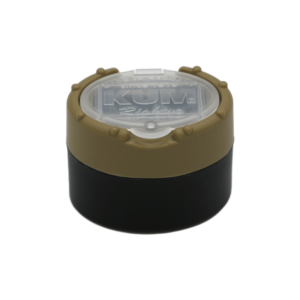
KUM Sludge
€0,89 – €2,19 inkl. Mwst. zeig mir mehr -
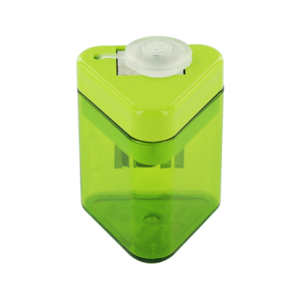
Mini Tri Sharpener
€1,49 – €2,09 inkl. Mwst. zeig mir mehr -
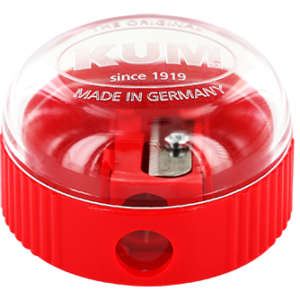
Sharpener 210 K1
€1,39 inkl. Mwst. zeig mir mehr -
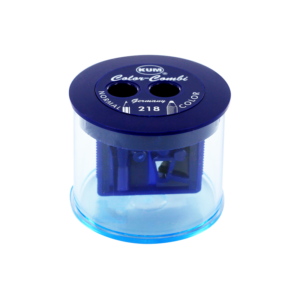
Sharpener Color Combi
€3,79 inkl. Mwst. zeig mir mehr -
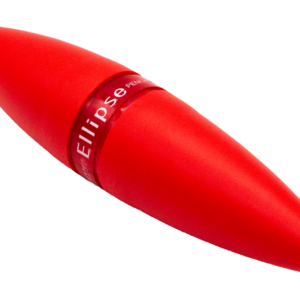
Sharpener Ellipse
€1,99 – €2,79 inkl. Mwst. zeig mir mehr -
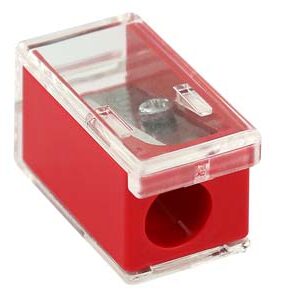
Sharpener Mikro K1
€1,09 inkl. Mwst. zeig mir mehr -
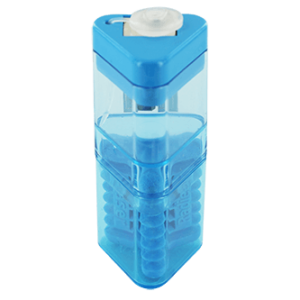
Sharpener with eraser Correc Tri M1
€3,29 inkl. Mwst. zeig mir mehr -
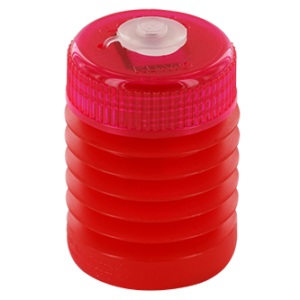
Softie MINS
€2,49 – €5,19 inkl. Mwst. zeig mir mehr -
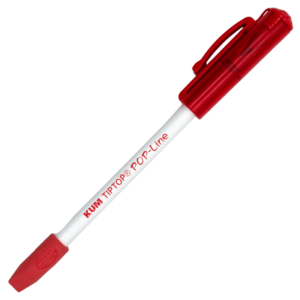
Tip Top
€2,69 inkl. Mwst. zeig mir mehr -
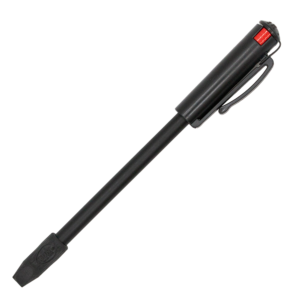
TipTop Office
€2,69 inkl. Mwst. zeig mir mehr
Sharpener for school and kindergarten
Versatility
The sharpener should support different pencil diameters. As students often use different types of pens, including pencils, crayons, and for school and kindergarten, thicker wax crayons as well as jumbo pencils.
Reliability and durability
Good sharpeners need to be reliable and durable to withstand daily use. Thanks to the high quality of the material and the Dynamic Torsion Action® , a good sharpener ensures that the knives remain sharp and the pen tips are shaped cleanly and precisely without fraying.
Cleanliness
We use perfectly closing lids for our sharpeners, such as the KUM Click Snap® or the KUM Dust Stop System®. Because no one wants to have waste from sharpening in their school bag or pencil case.
-
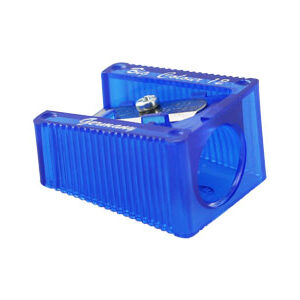
12mm Sharpener Big 12
€1,89 inkl. Mwst. zeig mir mehr -
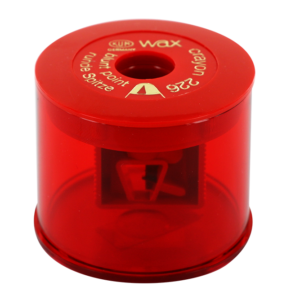
12mm Sharpener for Wax Crayons 226 Wax
€3,39 inkl. Mwst. zeig mir mehr -
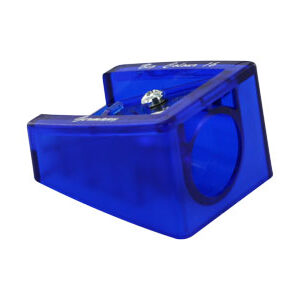
16mm Sharpener Big 16
€3,59 inkl. Mwst. zeig mir mehr -
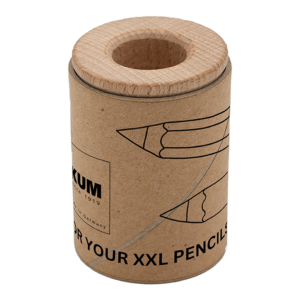
16mm Wooden Sharpener with Cardboard Container
€6,79 inkl. Mwst. zeig mir mehr -
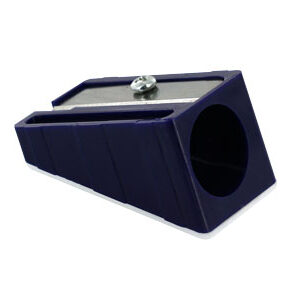
17mm Sharpener 100-70
€2,59 inkl. Mwst. zeig mir mehr -
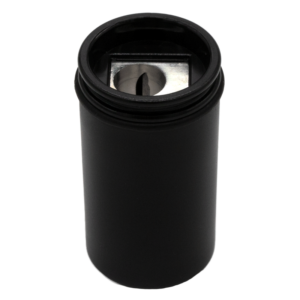
9mm Pastel Sharpener
€3,49 inkl. Mwst. zeig mir mehr -
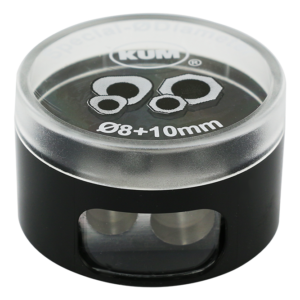
Double sharpener 8 + 10mm 208 M2
€3,99 inkl. Mwst. zeig mir mehr
Sharpener for thick pencils
Specialists
We offer the perfect solution for pens outside the standard size, such as very thick jumbo colored pencils. Our range offers the right sharpener for every pencil diameter.
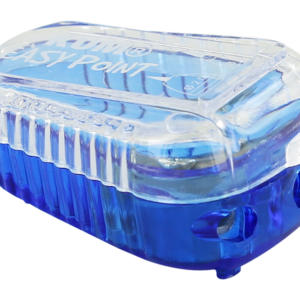
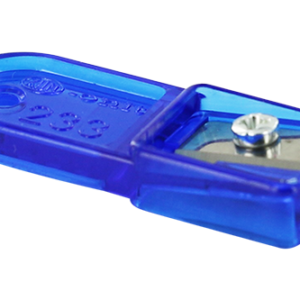
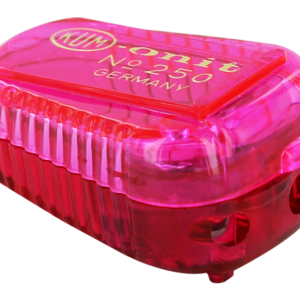
Pencil sharpener
Pencil sharpeners are designed for the precise sharpening of mechanical pencil leads and paint leads. They enable clean and precise sharpening of the lead.
The high quality of the sharpeners reduces the risk of breakage and gives the lead a defined tip.
-
16mm Wooden Sharpener with Cardboard Container
€6,79 inkl. Mwst. zeig mir mehr -
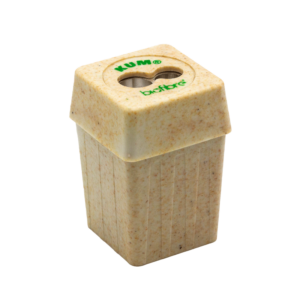
Biofibre
€2,09 – €5,89 inkl. Mwst. zeig mir mehr -
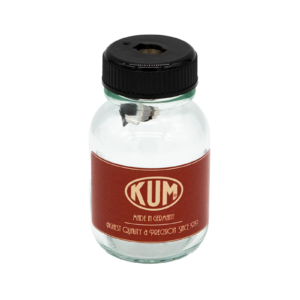
Glass Sharpener
€11,19 inkl. Mwst. zeig mir mehr -
Sale!
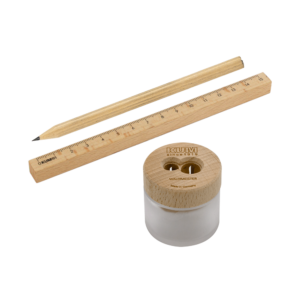
KUM Waldmeister set
Original price was: €20,98.€14,67Current price is: €14,67. inkl. Mwst. zeig mir mehr -
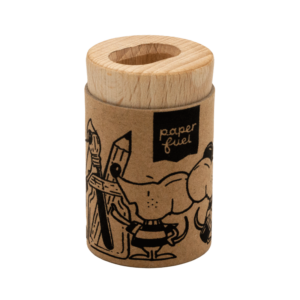
KUM X Paper Fuel Wooden Double Sharpener with Cardboard Container
€3,99 inkl. Mwst. zeig mir mehr -
PCR
€0,89 – €4,49 inkl. Mwst. zeig mir mehr -
Sale!

Waldmeister
Original price was: €17,59.€14,79Current price is: €14,79. inkl. Mwst. zeig mir mehr -
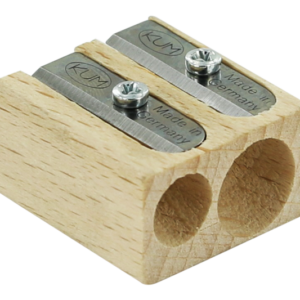
Wooden sharpener
€1,09 – €6,99 inkl. Mwst. zeig mir mehr
Sustainable sharpeners
From old to future
At KUM, we believe that sustainability and the highest quality can go hand in hand. That is why we rely on alternative materials for various product lines. Our product lines show that environmental awareness does not have to mean compromising on performance.
-
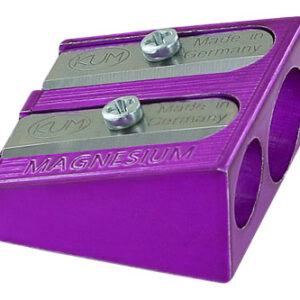
Double sharpener 475
€3,19 inkl. Mwst. zeig mir mehr -
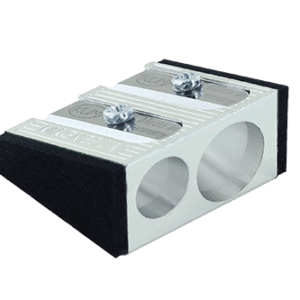
Double Sharpener 410SG
€2,49 inkl. Mwst. zeig mir mehr -
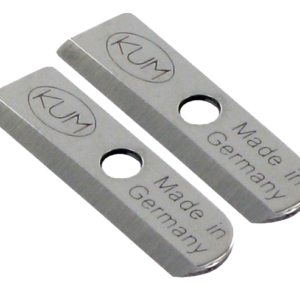
KUM Standard Replacement Blades
€1,79 inkl. Mwst. zeig mir mehr -
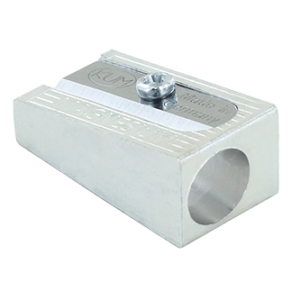
Sharpener 400K
€1,29 inkl. Mwst. zeig mir mehr -
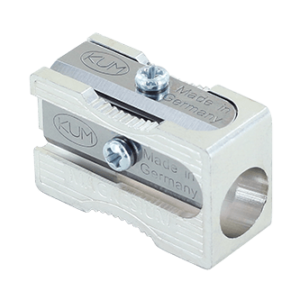
Sharpener 400-1E
€2,19 inkl. Mwst. zeig mir mehr -
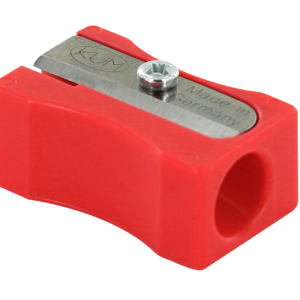
Sharpener 100-1
€0,59 inkl. Mwst. zeig mir mehr -
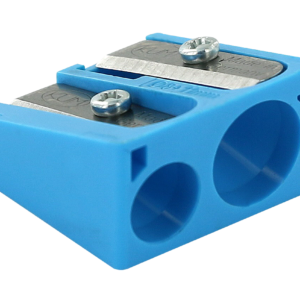
Double Sharpener 410 K
€0,89 inkl. Mwst. zeig mir mehr -
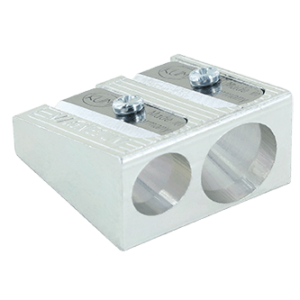
Double sharpener 410
€2,29 inkl. Mwst. zeig mir mehr -
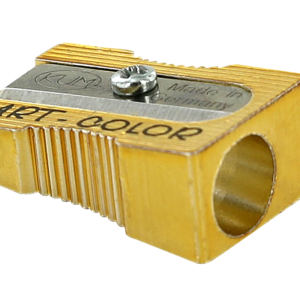
Sharpener 300-1
€2,39 inkl. Mwst. zeig mir mehr -
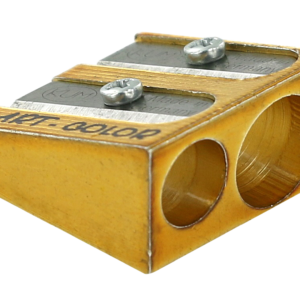
Double Sharpener 300-2
€6,09 inkl. Mwst. zeig mir mehr -
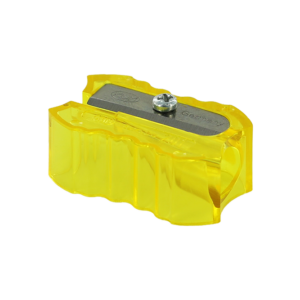
Sharpener 201 Ice
€0,69 inkl. Mwst. zeig mir mehr
Sharpener | no container
Our classics
and our perfection. They form our basic range and are absolute classics for offices and schools.
-
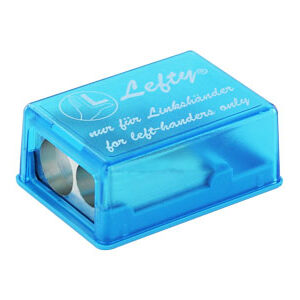
Double Sharpener 2-in-1 M2 Lefty®
€4,79 inkl. Mwst. zeig mir mehr -
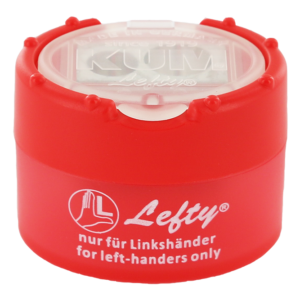
Double Sharpener Click-Snap® Lefty®
€3,99 inkl. Mwst. zeig mir mehr -
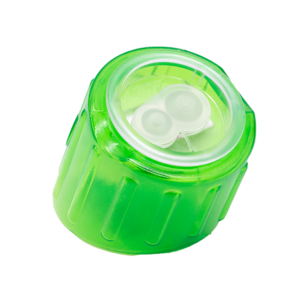
Double Sharpener Groove Lefty®
€2,99 inkl. Mwst. zeig mir mehr -
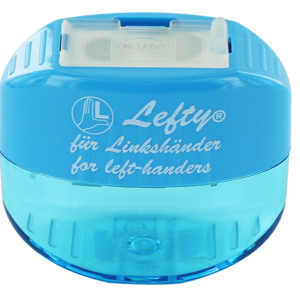
Double Sharpener Oval Office M2 Lefty®
€5,69 inkl. Mwst. zeig mir mehr -
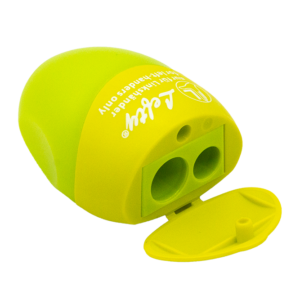
Double Sharpener Pencil-Pal K2 Lefty®
€3,39 inkl. Mwst. zeig mir mehr -
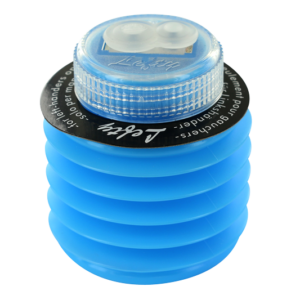
Double Sharpener Softie® M2 Lefty®
€5,79 inkl. Mwst. zeig mir mehr -
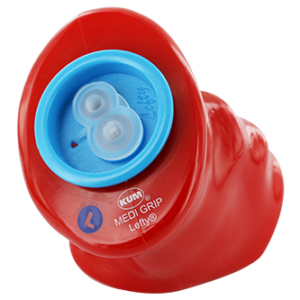
Ergonomic double sharpener Medi Grip Lefty®
€5,99 inkl. Mwst. zeig mir mehr
Sharpener for left-handers
Intelligent design
Our Lefty® sharpeners are specially designed for ergonomic handling by left-handed people. The pencil is turned outwards with the left hand, which transmits more force and provides an even tip.
Unlike traditional right-handed sharpeners, this special design makes sharpening much easier – for fluid movements, precise results and longer-lasting pencils.
-
3-in-1 Double Sharpener + Eraser
€2,99 – €4,99 inkl. Mwst. zeig mir mehr -
3-in-1 Stationery Set
€4,99 inkl. Mwst. zeig mir mehr -
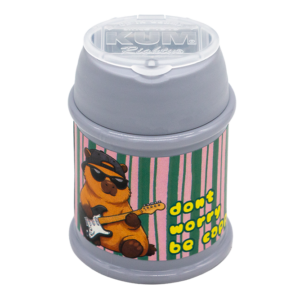
Capipanda
€1,09 – €3,29 inkl. Mwst. zeig mir mehr -
Double sharpener Big Snap
€2,69 inkl. Mwst. zeig mir mehr -
Double sharpener Groove K2
€2,19 inkl. Mwst. zeig mir mehr -
Double Sharpener Groove Lefty®
€2,99 inkl. Mwst. zeig mir mehr -
Double sharpener Spitzblick
€1,99 inkl. Mwst. zeig mir mehr -
Double Sharpener The Unbreakable
€4,49 inkl. Mwst. zeig mir mehr -
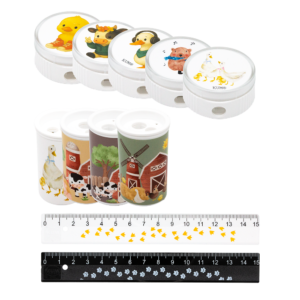
Farm
€1,09 – €2,49 inkl. Mwst. zeig mir mehr -
Green Line
€1,19 – €2,29 inkl. Mwst. zeig mir mehr -
KUM Mellow
€0,79 – €4,99 inkl. Mwst. zeig mir mehr -
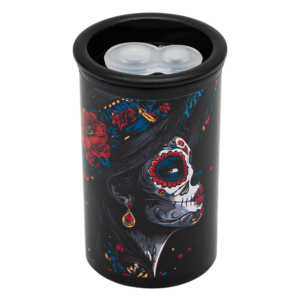
Tattoo
€1,09 – €3,09 inkl. Mwst. zeig mir mehr
New products 2026

Leader in sharpener manufacturing since 1919
Welcome to KUM, your expert in high-quality sharpeners for over a century. Since our founding in 1919, we have been committed to designing and manufacturing sharpeners, establishing ourselves as a leading innovator in the industry.
Tradition meets innovation
Our history is characterized by a large number of innovative and patented inventions, all of which originate from our headquarters in Erlangen. We are proud to have been producing at this traditional location for more than 100 years and to continuously set new standards in sharpener technology.
Quality that is recognized worldwide
At KUM, quality comes first. Our commitment to the highest quality standards and the resulting precision in manufacturing ensure that our sharpeners have been successfully distributed in over 100 countries for decades. Our products are the result of meticulous craftsmanship and modern manufacturing techniques that ensure that each sharpener meets the high demands of our customers.
Our Mission
Our mission is to provide the market with the best tools for the perfect pencil tips. Whether for the professional artist, the student or office use – KUM sharpeners stand for reliability and durability. Discover our wide range and experience the combination of traditional craftsmanship and modern innovation.
Made in Germany
KUM stands for Made in Germany. At our location in Erlangen, we have our own production, a development department and a department for tool and mechanical engineering. Everything from a single source!
Investment in the future
Through our production in Germany, we secure jobs and promote regional value creation. We invest in the training of young professionals in order to pass on knowledge and skills.
These investments in training and the continuous development of our employees help us to grow and innovate as a company.
“Made in Germany” not only means excellent sharpeners, but also stands for economic stability and social responsibility.

KUM® Dynamic Torison Action
We are the only manufacturer in the world to equip our sharpeners with a curved blade. Due to the curved blade, the edges are under constant tension and are not lifted by the pressure when sharpened. Therefore, “rebounding” or “tearing” of the pencil tip can be ruled out. Furthermore, the pressure against the screw prevents it from loosening or loosening.
KUM® Blades
Probably the most important component is the blade. If a b does not work cleanly and reliably, i.e. sharpens the pencil with high precision, then the entire sharpener is worthless.
Our blades are manufactured with a measuring tolerance of 5/100 mm. Equally important is the hardening of these blades. We harden the steel with 64 HRC. For comparison and understanding: Top blades for use in the kitchen have a maximum of 53 HRC. These sub-processes are the most complicated in the production of the product. This hardness is necessary because pencil leads contain clay, which is a type of rock. Usually, metal is sanded down with stone, but the sharpener does it the other way around!
Carbon steel rusts relatively easily, so each KUM blade is protected by three careful operations:
- Polish
- Ultrasonic cleaning
- Coating with oil
FAQ
What types of sharpeners are there?
Sharpener with and without container, long-cone sharpener for particularly long pencil tips. Then there are special sharpeners for thick pencils, for colored pencils with soft, porous leads, for pastel pencils, for cosmetic pencils and for drop lead pencils.
Why do leads break when they are sharpened?
The causes are usually a loose or blunt blade, too much pressure when sharpening, previous damage to the pencil lead or the use of the wrong diameter. Sharpen your pencils sensitively and slowly, check and replace the blade if necessary, or find the right sharpener for your special diameters.
How do you clean a sharpener properly?
Empty the container and remove any waste from the blade with something soft, such as a cotton swab or a special cleaning swab. Avoid sharp objects that can scratch and damage the blade.
How do I get the pencil waste out of the sharpener?
Separate the sharpener from the container and carefully loosen the broken pencil tip with a cotton swab or toothpick. Blow out any remaining residue or remove it with a brush and put the sharpener back together. Avoid sharp objects such as paper clips so as not to damage the blade.
Can the knives be sharpened themselves?
No, because the risk of the wrong angle is too high. Replace the blade yourself with replacement blades in just a few simple steps – you can find replacement knives for this here.
How often should you change the knife?
As soon as the tip “tears” or the wood frays on the pencil. You can tell by the fact that more force is needed when sharpening. High-quality, interchangeable blades last much longer. The blade can be replaced in just a few simple steps, you can find replacement blades here.
Can you sharpen cosmetic pencils with a normal sharpener?
Theoretically, yes, if the diameter fits, but the risk of the leads breaking during sharpening is high. We recommend using a pencil sharpener that is tailored to the requirements of the soft, porous leads of cosmetic pencils, as the refills of cosmetic pencils are very delicate.
What to do if the sharpener no longer cuts properly?
Tighten or replace the blades, clean, choose the right diameter and apply less pressure when sharpening. For very soft pencils (pastel/cosmetics), use the right sharpener.
Which sharpener makes the longest tip?
Sharpeners that sharpen the pen tip at a particularly small angle. These special long-cone sharpeners sharpen in two phases (remove wood, then shape the lead) to create the longest, finest tips. Especially in art and technical drawing, long, fine pen tips are needed to paint the finest details and work extremely precisely.
Why are good sharpeners more expensive?
High-quality blades (e.g. hardened steel), tight manufacturing limits and precise guidance are important for clean cuts and less breakage of the pencils. If a blade does not work cleanly and reliably, i.e. sharpen the pencil with high precision, the entire sharpener is worthless.